For the ancient Maya, cenotes were not just sinkholes or limestone pools to cool off in. They were sacred portals to the underworld (Xibalba), places of worship, rituals and offerings, and the very foundation of life in the jungle. In this guide, we walk you through the fascinating history of these sacred wells from the point of view of people who explore them from the inside every day: archaeological secrets, feared deities, and the right way to dive them while respecting their fragile legacy.
How cenotes formed, and why they became sacred
To understand the Mayan mythology linked to cenotes, we first need to understand the land beneath our feet and fins. The Yucatán Peninsula is a huge limestone platform that rose from the ocean millions of years ago. Unlike most landmasses, it has almost no rivers or lakes on the surface. The entire water network flows through underground galleries.
The word cenote comes from the Mayan dzonot, which means “water-filled cave” or “well”. But how did these aquatic labyrinths form?
- Dissolving the limestone: over thousands of years, rainwater (slightly acidic after absorbing carbon dioxide from the air and the jungle floor) seeped through cracks in the limestone and slowly dissolved the rock.
- Dry caves and collapsing roofs: during the ice ages, sea levels dropped, leaving dry caves decorated with stalactites and stalagmites. When the seas rose again, the water weakened the rock that held up the cave ceilings, and some of them collapsed, opening the caves to the sky.
- The Chicxulub impact: about 66 million years ago, the asteroid that wiped out the dinosaurs struck the northern coast of Yucatán. The shockwave created a ring of fractures known as the “Ring of Cenotes”, which sped up the erosion of the limestone in the region.
When the first people found these deep openings in the jungle floor, they didn’t see a simple geological phenomenon. They saw a cosmic one: the physical threshold where the world of humans met the realm of the gods and the dead.
Xibalba, the Mayan underworld
In Maya cosmology, the universe was divided into three connected realms: the heavens (Ka’an), with their 13 levels, the earth (Lu’um), where humans live, and the underworld (Xibalba), with its 9 levels. Xibalba was not a hell of eternal punishment. It was a place of passage, ruled by lords of disease and death, but also the womb of creation and rebirth.
The trials of Xibalba
The Popol Vuh, the sacred book of the K’iche’ Maya, tells how visitors to the underworld had to survive a series of terrifying houses: the Dark House, the Cold House, the Jaguar House, the Bat House (home of Camazotz) and the Razor House.
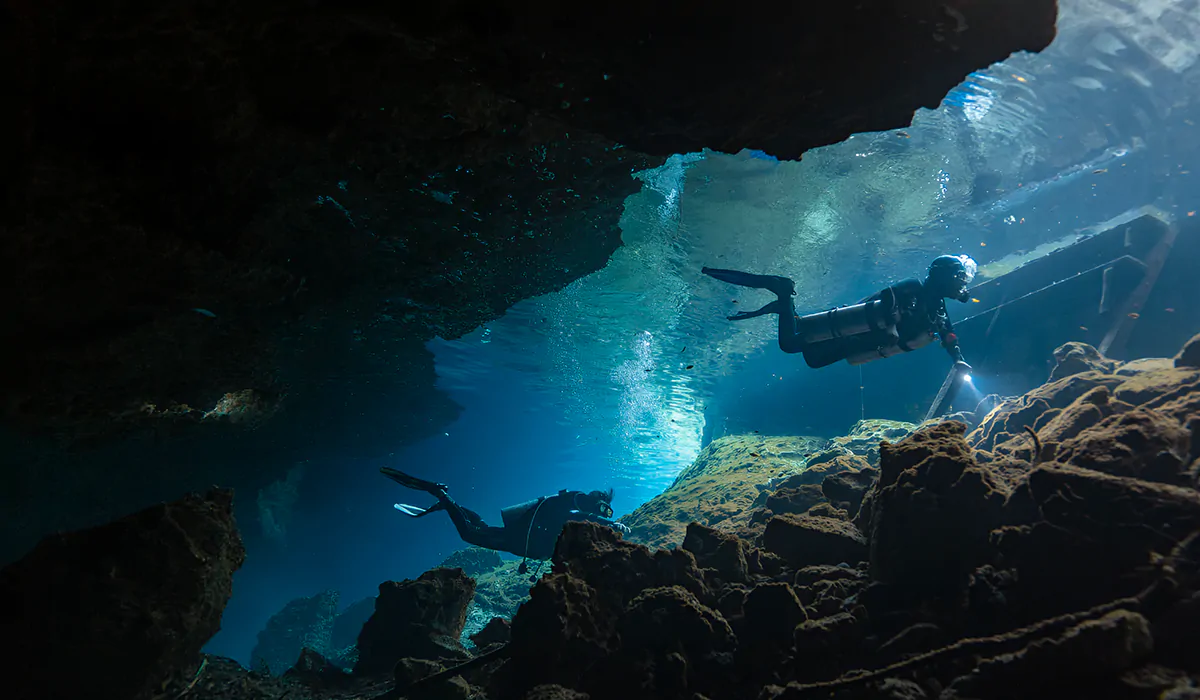
As cave diving instructors, we are struck by how precisely these stories match the real underground landscape. When you enter a gallery with no daylight, move past sharp rock formations and feel the sudden change at the halocline (the blurry border where fresh water meets salt water), you immediately understand where the stories of Mayan mythology came from. The collapsed cave roofs were the physical gateways to that dark world.
Chaac and the guardians of the water
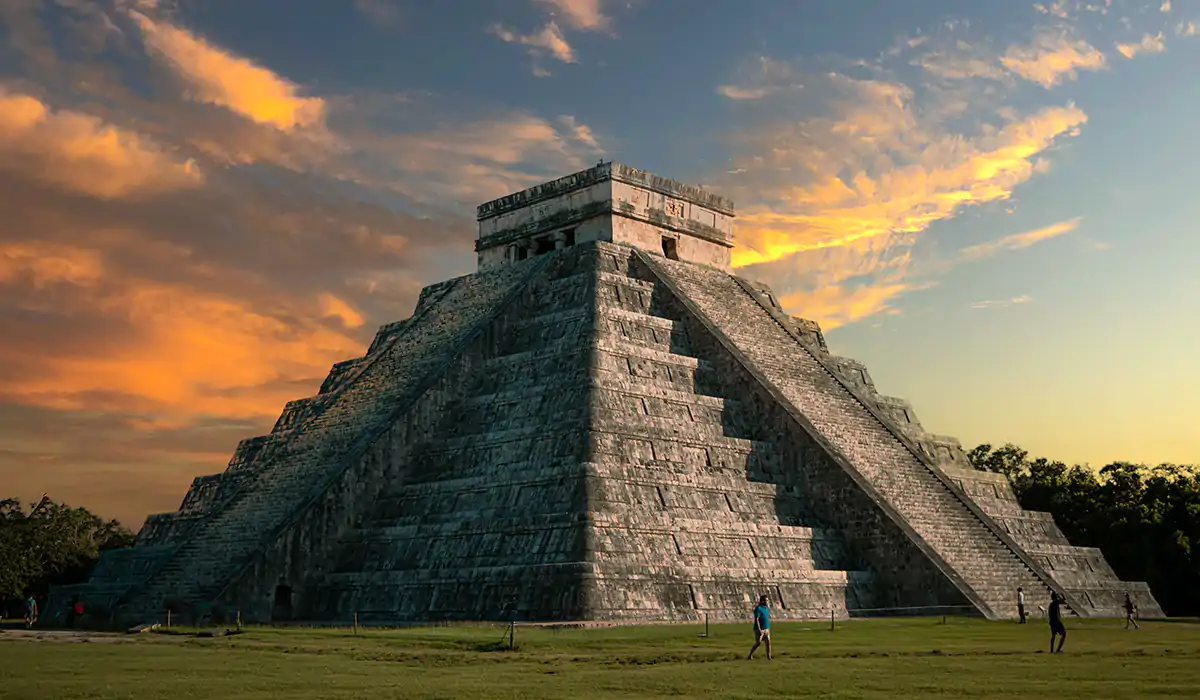
Fresh water was the most precious resource in the Yucatán Peninsula. With no rivers on the surface, the survival of great cities like Chichén Itzá, Mayapán and Tulum depended entirely on the water stored in cenotes. Not surprisingly, some of the most important figures in Mayan mythology were linked to these depths.
| Figure | Domain | Link with the cenotes |
|---|---|---|
| Chaac | God of rain and water | Lives in the depths and receives offerings during droughts |
| Ah Puch (Kisin) | God of death | Lord of Xibalba, guardian of the dark passages |
| Aluxes | Spirits of the jungle | Guardians of cenote entrances, who ask for respect and permission |
Chaac, god of rain and fertility
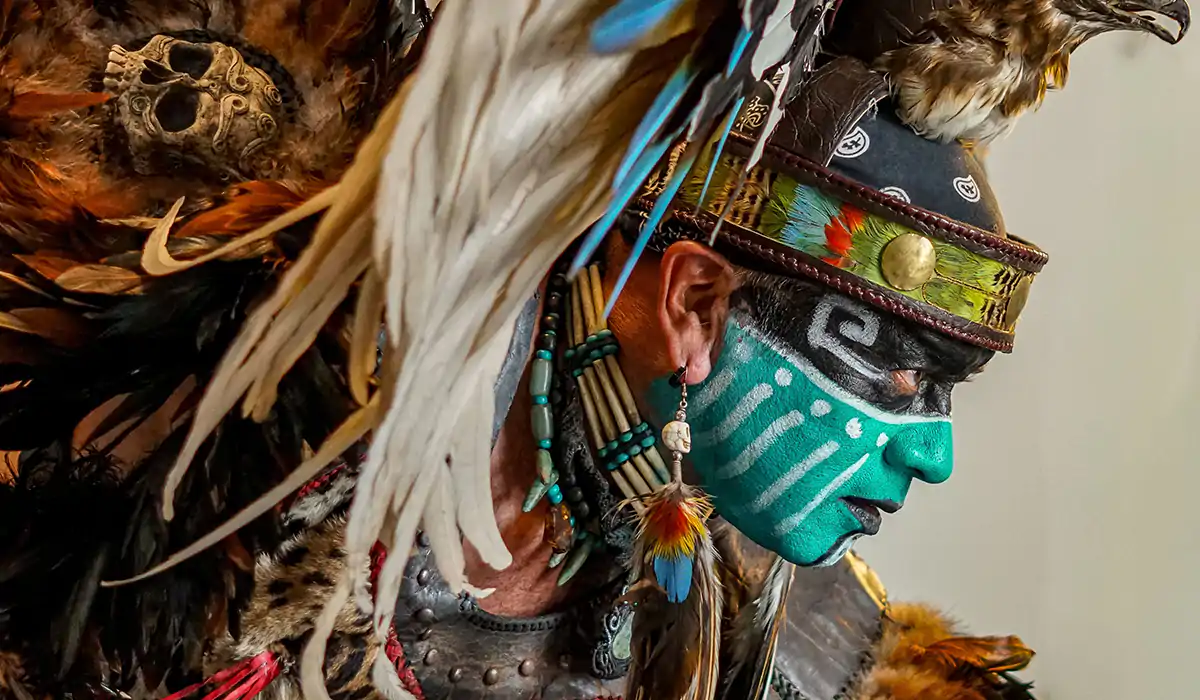
Chaac was worshipped with total devotion. Shown with a long, curved nose and protruding fangs, he was believed to live at the bottom of the sacred wells. With his lightning axe, he struck the clouds to bring rain to the corn fields (milpas).
When the rain didn’t come and drought threatened the community, Maya priests led solemn processions to the cenotes. The goal was to calm Chaac with prayers and precious offerings placed directly into his watery home.
The Aluxes, guardian spirits of the jungle
Even today, Mayan mythology is part of daily life in the cenotes. Ask any local guide and they’ll tell you that before entering a cenote, you should quietly ask the Aluxes for permission.
These small mythical spirits, a bit like the forest sprites found in folklore all over the world, protect nature. Locals say that if you ignore or disrespect them, they can play tricks on you: hiding your mask, tangling your regulator hoses or causing small mishaps on the jungle trail.
Archaeological discoveries and fossils hidden in the depths
For centuries, many people thought that the accounts of sacrifices and underwater offerings were exaggerations written by Spanish chroniclers after the conquest. But when underwater archaeology and scientific diving began in the 20th century, they revealed an astonishing reality: Mayan mythology was backed by remarkably well-preserved physical evidence.
The Sacred Cenote of Chichén Itzá
One of the most important underwater archaeological sites in the world is the Sacred Cenote of Chichén Itzá. Dredged and explored by archaeologists over the decades, its floor revealed thousands of objects:
- Jade, turquoise and gold jewelry: pieces crafted with great skill and brought from distant regions of Mesoamerica.
- Copal and organic materials: thanks to the oxygen-poor (anaerobic) conditions in the deep layers of water, organic materials like copal incense, carved wood and woven fabrics survived for centuries.
- Human remains: studies showed that the people offered to the cenote were not only young women, as popular myths suggest, but also men, elders and children.
Ice Age fossils
The history of the cenotes goes far beyond the Maya. More than 12,000 years ago, during the last ice age, sea levels were over 100 meters (330 feet) lower than today, and these caverns were dry caves. Prehistoric animals roamed the area and went inside looking for water, or fell through the openings.
When the ice melted and the caves flooded, their remains were frozen in time:
- Early Americans: the discovery of Naia in Hoyo Negro, one of the oldest and most complete human skeletons found in the Americas (about 13,000 years old), gave scientists key genetic evidence about the first human migrations.
- Giant sloths and saber-toothed cats: the remains of ground sloths weighing several tons and of extinct predators rest on the white sediment, dozens of meters underwater.
Cenote diving through an instructor’s eyes
For a diver used to ocean reefs, entering a cenote takes a complete change of mindset. You aren’t looking for big schools of fish or colorful nudibranchs. You’re diving through the architecture of the planet and the history of humankind.
| Ocean diving | Cenote diving |
|---|---|
| Currents and waves | Perfectly still water |
| Salt water buoyancy | Crystal-clear fresh water |
| Focus on marine life | Focus on light and rock |
| Open water navigation | Navigation along a guideline |
Unmatched visibility and the illusion of air
The first thing that strikes you in a cenote is the clarity of the water. Filtered through limestone, the fresh water carries almost no particles. Visibility is so perfect that looking down feels like floating in mid-air above a submerged cathedral.
The halocline, where two worlds meet
One of the most surreal sights underwater is crossing the halocline. Usually found between 10 and 18 meters (33 to 60 feet), it is the layer where light fresh water sits directly on top of the denser salt water coming in from the ocean.
As you pass through it, the change in water density bends the light. Everything around you shimmers and blurs, like the heat waves rising from hot asphalt. Your buddy looks out of focus until you are both fully in the salt water below, where everything becomes crystal clear again. The ancient Maya saw this border as the line between the world of the living and the realm of Xibalba.
The laser light show
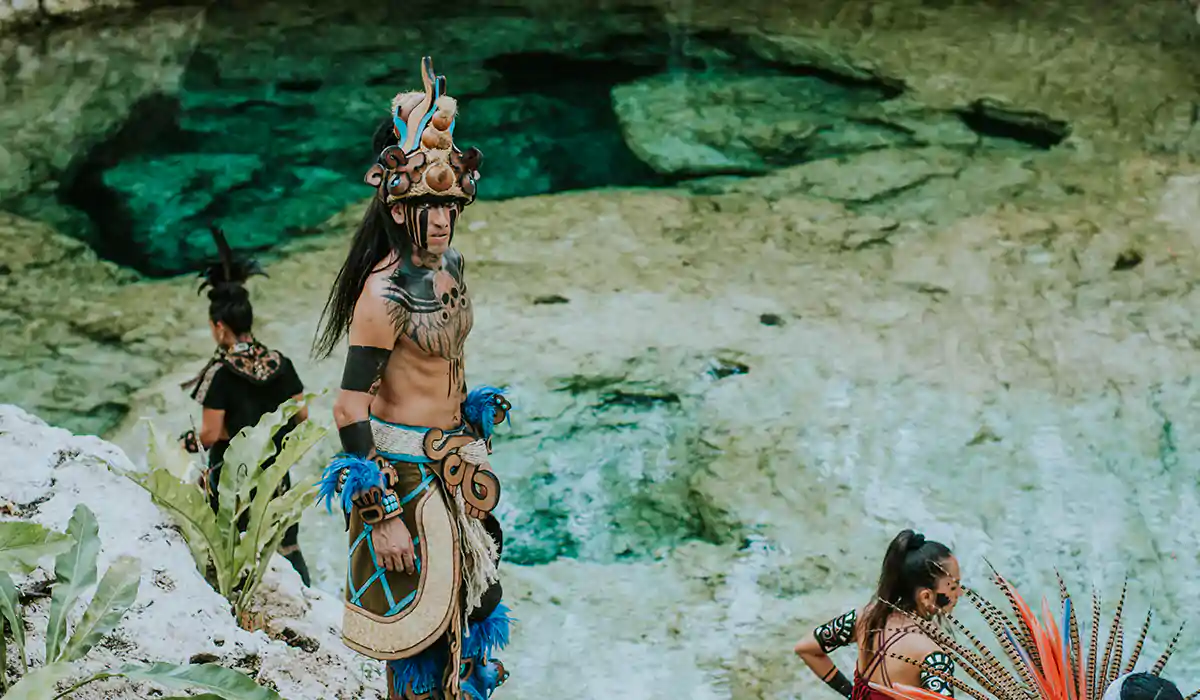
Around midday, when the sun is high above the openings, the light enters the water in concentrated, laser-like beams. Guides often call it the “cathedral effect”, and it creates a striking contrast with the dark cavern walls. In that moment, it becomes obvious why these places were worshipped as sacred sanctuaries.
Types of cenotes and the best sites to explore
Not all cenotes look the same. Depending on their age and how much of their ceiling has collapsed, they fall into four main types:
| Type | Age | Description and examples |
|---|---|---|
| Open cenote | The oldest, ceiling fully collapsed | Vertical walls and a lake-like pool, like Ik Kil or Cenote Azul |
| Semi-open cenote | Intermediate, partly collapsed | Jug-shaped, with an opening in the ceiling, like Suytun |
| Cave cenote | The youngest, ceiling almost intact | Underground access, lights needed, like Dos Ojos |
| Aguada | The last stage, fully eroded | Shallow pools blending into the jungle |
If you’re planning a trip to experience the Mayan mythology of the cenotes for yourself, these three sites should be at the top of your list:
- El Pit: a huge vertical sinkhole in the jungle, more than 100 meters (330 feet) deep. At around 30 meters (100 feet), a dense cloud of hydrogen sulfide floats above fallen trees and creates a ghostly landscape worthy of Xibalba. It’s a deep dive, for experienced divers only.
- Dos Ojos: one of the most famous and accessible cavern systems in the world, known for its wide, bright passages, huge rooms full of stalactites and comfortable guidelines.
- Cenote Zapote (Hell’s Bells): reserved for experienced divers, this site has unique bell-shaped formations that grew underwater, unlike anything else on Earth.
How to protect a fragile heritage
Diving a cenote is a privilege that comes with real responsibility. You are entering a delicate ecosystem and an irreplaceable archaeological sanctuary.
- No chemicals: the cenotes feed the region’s underground water supply. Regular sunscreens and insect repellents pollute it. Protect your skin with a UPF 50+ rash guard instead.
- Buoyancy and trim: a single careless fin kick can stir up the fine sediment and ruin the visibility for hours. Hitting a stalactite can destroy in a second a formation that took thousands of years to grow. Use the frog kick and keep your fins away from the bottom.
- Never touch the formations: stalactites, stalagmites and walls stay untouched.
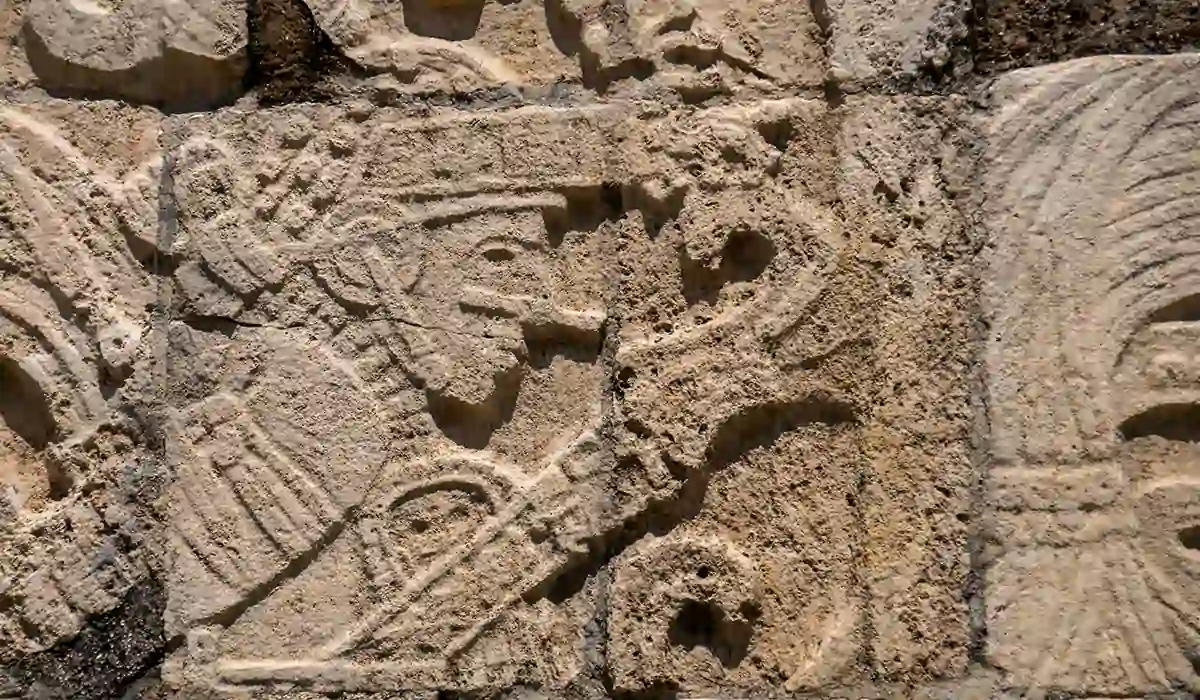
- Respect the archaeological heritage: if you see a piece of pottery, a bone or a fossil during your dive, never touch or move it. Take photos if allowed, and leave history where it belongs.
Dive into living history with Pasku Dive
Discovering Mayan mythology through the underground rivers is one of the most rewarding adventures a diver can have. It’s much more than a regular dive. It’s a journey into the spiritual heart of an ancient civilization, through landscapes that feel out of this world.
To explore these caverns safely, in small groups and with strict respect for the environment, the key is to dive with experienced local professionals.
If you’re ready to turn your trip to the Yucatán Peninsula into an unforgettable journey through the portals of Xibalba, we are here to guide you. Discover our cenote dives, book your cenote adventurebook your cenote adventure or contact us with any question. Adjust your mask, and step into the Mayan underworld with complete confidence!