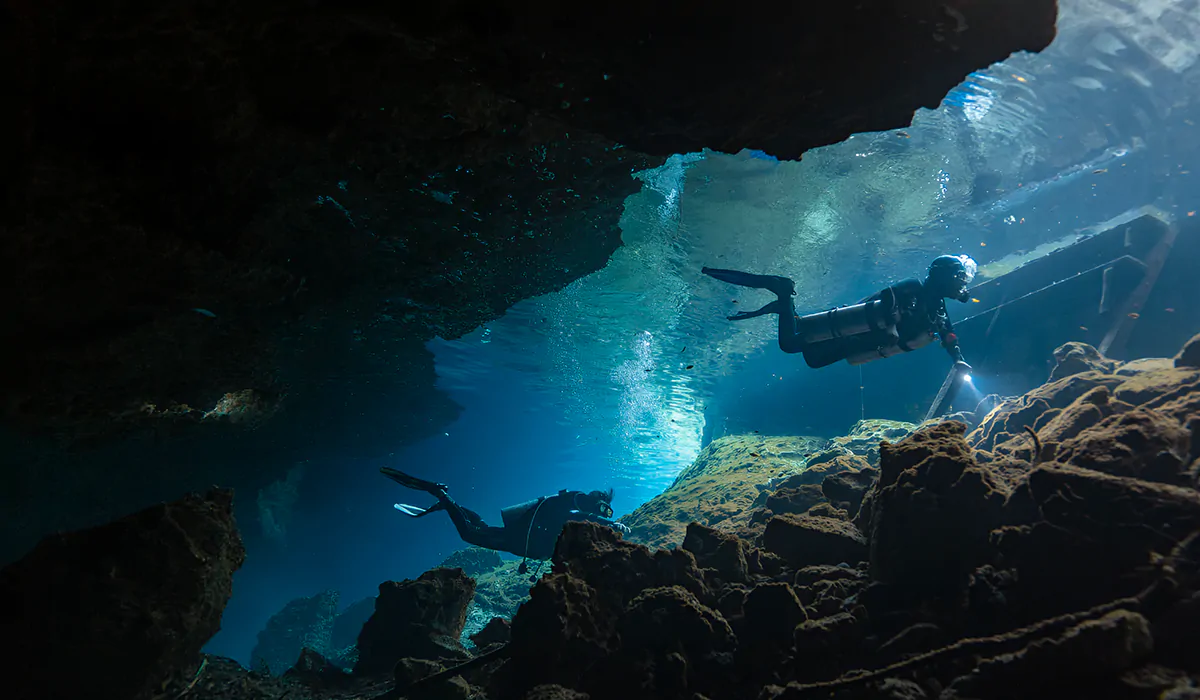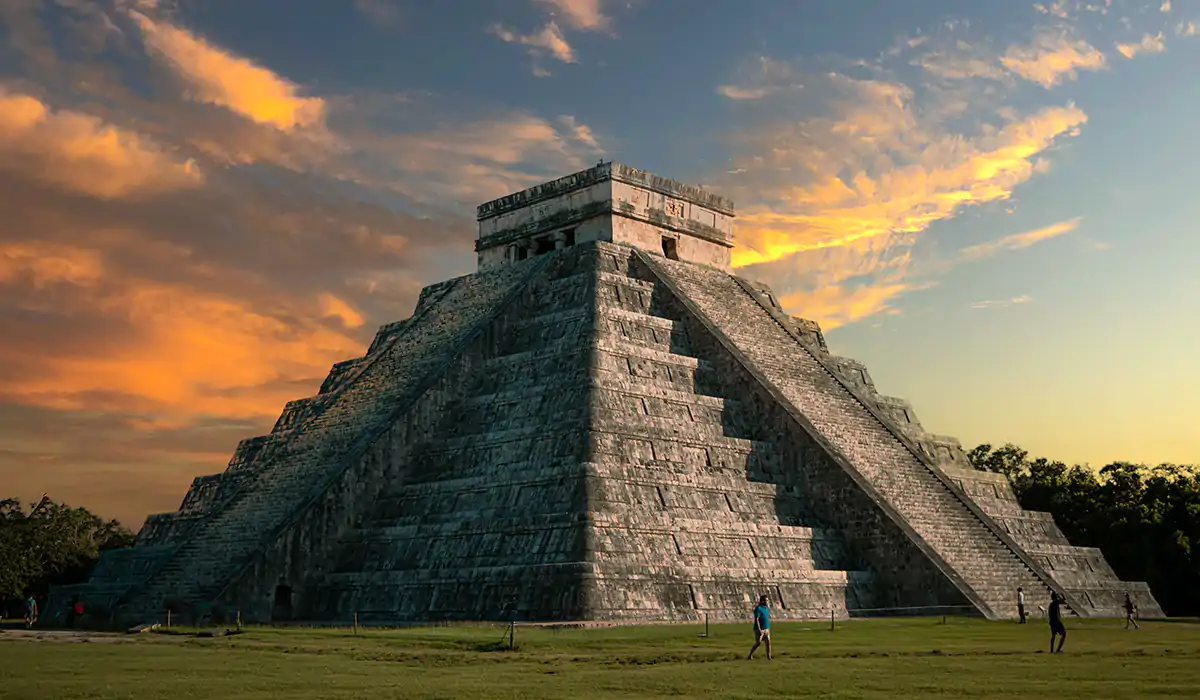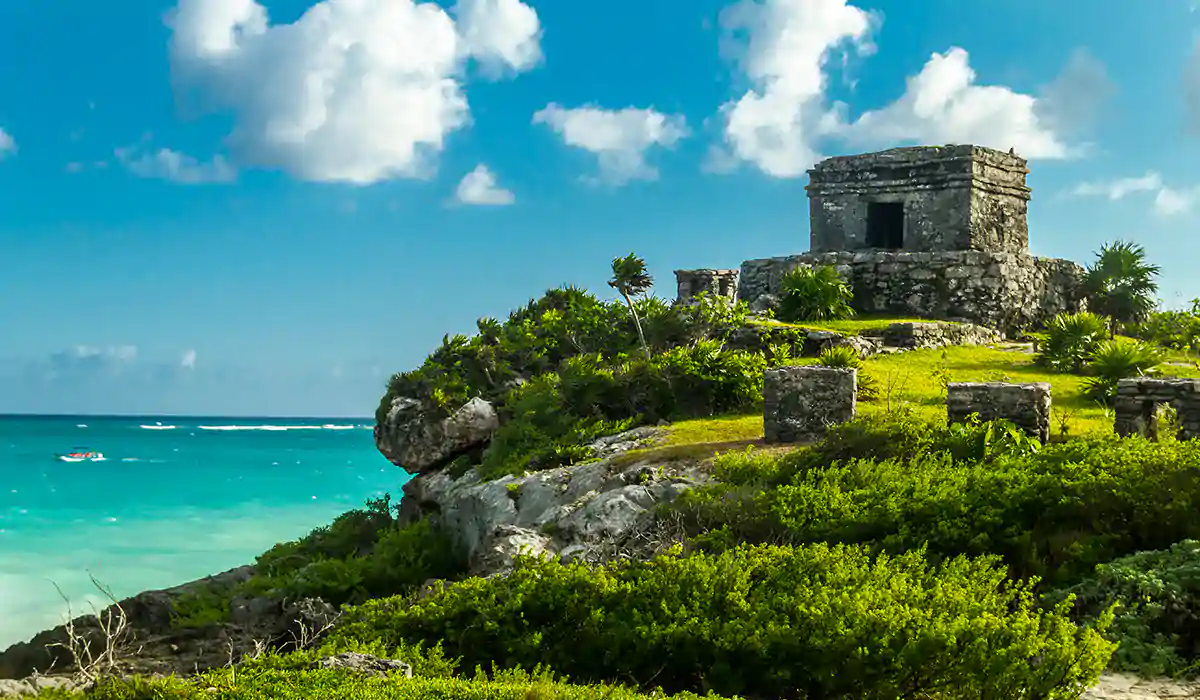
But choosing the best time to dive in Riviera Maya depends on what you want to experience underwater. Water temperature, visibility, weather and seasonal migrations change throughout the year. In this month-by-month guide, we tell you everything you need to know to plan the perfect diving trip to the Mexican Caribbean.
The two diving seasons in Riviera Maya
Before going month by month, it helps to understand the two main seasons in the Mexican Caribbean:
| Dry season (November – April) | Green season (May – October) | |
|---|---|---|
| Air | 24–28°C (75–82°F) | 28–33°C (82–91°F) |
| Water | 25–27°C (77–80°F) | 28–29°C (82–84°F) |
| Highlights | Bull sharks and sailfish | Whale sharks and nesting turtles |
| Weather | Low humidity, gentle breezes | Warmer water, occasional rain |
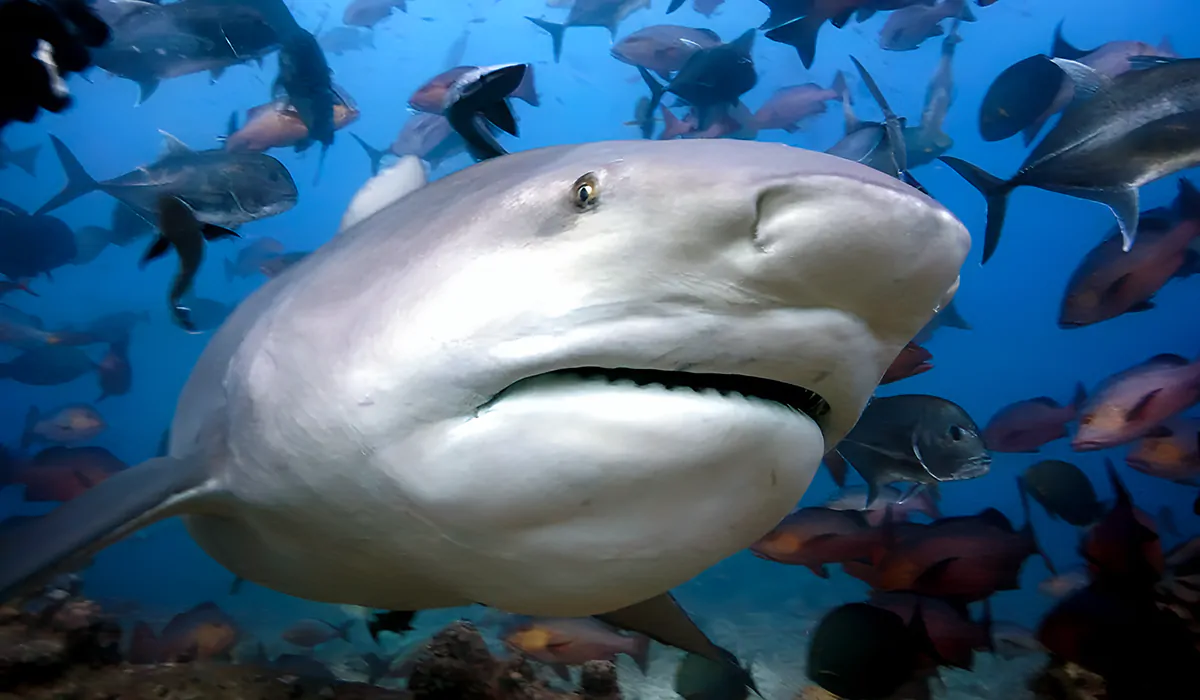
- Dry season (November to April): pleasant air temperatures, lower humidity and slightly cooler water. This is the high season for diving with female bull sharks off Playa del Carmen and for spotting sailfish near Isla Mujeres.
- Green season (May to October): warmer air and tropical water. It brings the famous whale shark gathering, the sea turtle nesting season and the best light conditions for diving in the cenotes.
Month-by-month diving calendar
| Month | Water | Visibility | Highlights |
|---|---|---|---|
| January | 25°C (77°F) | 20–30 m | Bull sharks, sailfish, cenotes |
| February | 25°C (77°F) | 20–30 m | Bull sharks, sailfish, eagle rays |
| March | 26°C (79°F) | 25–30 m | Last bull sharks, reef life |
| April | 26°C (79°F) | 25–30 m | Bright cenotes, reefs |
| May | 27°C (80°F) | 25–30 m | Turtle nesting begins, cenote light |
| June | 28°C (82°F) | 25–30 m | Whale sharks arrive, best cenote light |
| July | 29°C (84°F) | 25–30 m | Whale shark peak, sea turtles |
| August | 29°C (84°F) | 25–30 m | Whale sharks, warm water, cenotes |
| September | 28°C (82°F) | 20–30 m | Quiet reefs, last whale sharks |
| October | 27°C (80°F) | 20–25 m | Transition month, few crowds |
| November | 26°C (79°F) | 20–30 m | Bull sharks return, eagle rays |
| December | 25°C (77°F) | 20–30 m | Bull shark high season, sailfish |
January: bull sharks, sailfish and clear water
January is one of the most popular months for diving in Riviera Maya.
- Highlights: pregnant female bull sharks gather on the sandy bottoms off Playa del Carmen. Out in the open ocean near Isla Mujeres, sailfish hunt schools of sardines.
- Conditions: the sea drops to around 25°C (77°F), so a 3 mm or 5 mm wetsuit is recommended. The water in the cenotes stays at 24–25°C (75–77°F) all year.
February: big animals and eagle rays
February continues the high season with fantastic encounters in the blue.
- Highlights: excellent bull shark dives and spotted eagle rays gliding along the reef walls. The sailfish are still very active.
- Conditions: pleasant weather with little rain, and ocean visibility often around 25–30 meters (80–100 feet).
March: spring arrives, perfect for the reefs
March brings more sunshine and stable conditions across the region.
- Highlights: the bull shark season winds down by the end of the month, while the reefs of Cozumel and Akumal show plenty of small life, nurse sharks and hawksbill turtles.
- Conditions: the water warms slightly to 26°C (79°F). A great time to combine reef dives with cenote dives.
April: the best month for cenote photography
April is dry and sunny, with excellent conditions for diving in the freshwater caverns.
- Highlights: the reefs are busy with spawning fish, stingrays and moray eels. In the cenotes, the sunbeams start reaching their best angles in places like El Pit, Dos Ojos and Cenote Zapote.
- Conditions: gentle currents, warm weather and great clarity both in the sea and in the underground rivers.
May: turtle season begins
May marks the start of the warmer season and the arrival of sea turtles on the beaches of the Riviera Maya.
- Highlights: female loggerhead and green turtles come to nest on the beaches of Akumal and Tulum. The reef diving is excellent, with growing schools of tropical fish.
- Conditions: the water rises to 27°C (80°F). It gets more humid on land, but the sea stays calm.
June: the whale sharks arrive
June opens one of the greatest marine spectacles of the Mexican Caribbean.
- Highlights: hundreds of whale sharks gather in the rich waters near Isla Contoy and Holbox to feed on plankton.
- Conditions: the water reaches 28°C (82°F). With the summer sun almost straight overhead, the light beams in the cenotes are at their best.
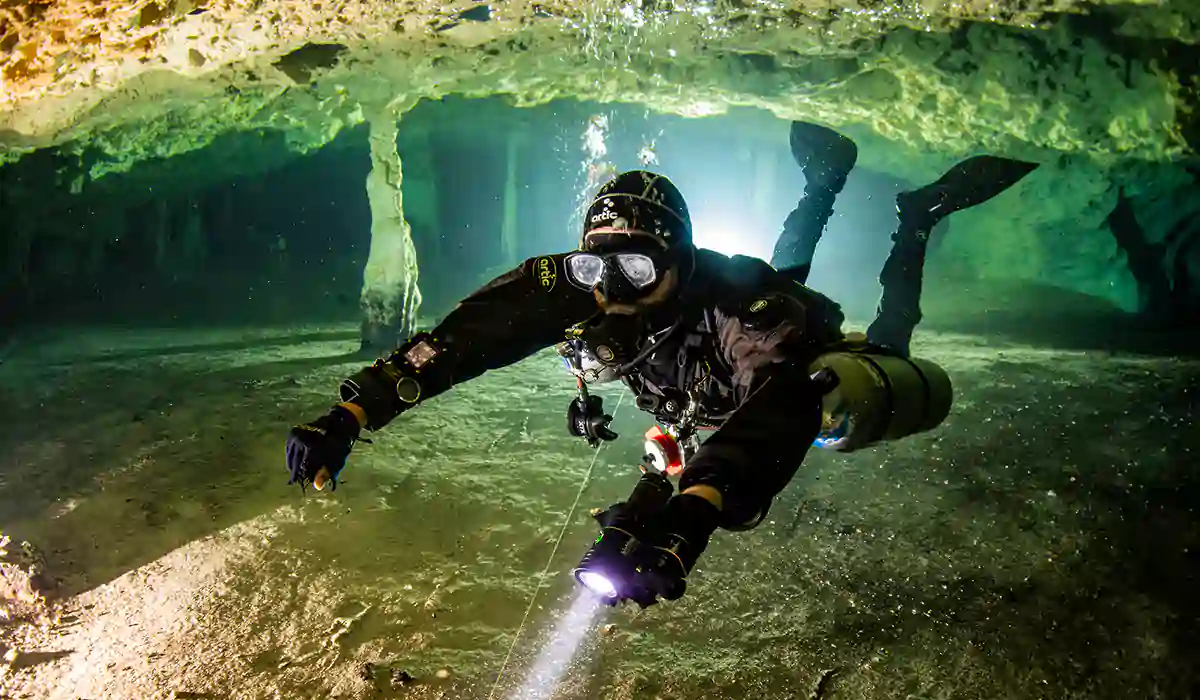
July: whale shark peak and cenote sunbeams
July is the peak month for the gentle giants and for summer diving.
- Highlights: the best month for whale shark encounters, which are done snorkeling. On the reefs, sea turtles, spotted eagle rays and reef sharks are common.
- Conditions: tropical water around 29°C (84°F). A 3 mm shorty or even a skin suit is usually all you need.
August: the warmest water of the year
August brings tropical warmth and calm seas to the Riviera Maya.
- Highlights: whale shark trips continue, turtles keep nesting, and night dives on the shallow reefs are fantastic.
- Conditions: the sea peaks at 29°C (84°F). It’s very humid on land, but underwater it’s warm and clear.
September: quiet reefs and the end of summer
September is a quieter month with fewer visitors, so the best sites feel peaceful.
- Highlights: the last whale sharks, healthy reef fish populations and cenotes without the crowds.
- Conditions: it’s the peak of the hurricane and rainy season. Some days are stormy, but many still offer excellent diving. The water stays warm at 28°C (82°F).
October: a transition month with few crowds
October connects the warm summer with the winter season and its big animals.
- Highlights: a great month for macro photography on the reefs and for calm cenote dives without waiting in line.
- Conditions: the water settles around 27°C (80°F). The rain decreases toward the end of the month as the weather stabilizes.
November: the bull sharks are back
November marks the return of the dry season and the big species.
- Highlights: the pregnant female bull sharks return to the coast of Playa del Carmen for the winter. Eagle rays come back to the deeper reef walls.
- Conditions: the air cools down to a comfortable 26°C (79°F), and the visibility stays high.
December: winter diving at its best
December combines holiday travel with world-class encounters.
- Highlights: full bull shark season in Playa del Carmen, sailfish hunting near Isla Mujeres and excellent conditions in the cenotes.
- Conditions: fresh winter air, calm seas and water around 25°C (77°F).
When to come, based on what you want to see
| What you want to see | Best months |
|---|---|
| Bull sharks (Playa del Carmen) | November to March (best December to February) |
| Whale sharks (snorkeling) | June to September (best July and August) |
| Cenote light beams and photography | May to September |
| Sea turtles | May to October |
| Sailfish | December to February |
| Quiet dive sites | September to November |
Practical tips for your diving trip
- Choose the right wetsuit: from November to March, wear a full 3 mm to 5 mm wetsuit, especially in the cenotes, where the water stays around 24°C (75°F). In summer, a 3 mm shorty or a rash guard is enough for the ocean dives. In winter, also bring a windbreaker for the boat rides.
- Protect fragile ecosystems: never wear non-biodegradable sunscreen before diving in the cenotes or in marine reserves. A UPF 50+ rash guard is the best option. In summer, add mosquito protection and drink plenty of water.
- Book the bull sharks early: the season is short and very popular, so reserve your dives in advance.
- Dive with certified guides: cenote diving requires a proper briefing, safety rules for overhead environments and expert guidance. Always dive with certified cavern or cave guides.
Dive the Riviera Maya with local experts
Whatever the time of year, the Riviera Maya offers world-class underwater adventures for every level. From adrenaline-filled bull shark dives to peaceful freshwater cenotes, planning your trip with expert advice helps you get the most out of every dive.
At Pasku Dive, we specialize in personalized, small-group diving in Playa del Carmen, Cozumel and the most beautiful cenotes of the Yucatán Peninsula. Our instructors adapt every itinerary to the conditions of the season, for maximum safety, comfort and fun. Book your dives or contact us to plan your Mexican Caribbean adventure!