
Cenotes
- Lvl: Open Water Diver +
- Water 25˚C
- 6-7 hours
- Equipment: Yes
- Transport: Yes
- Food: Yes
- 2 Dives
Time Travelling
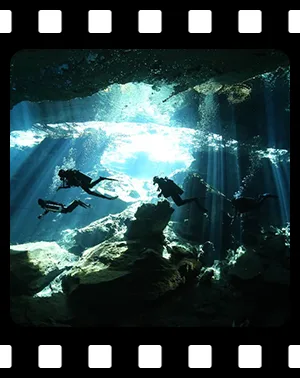
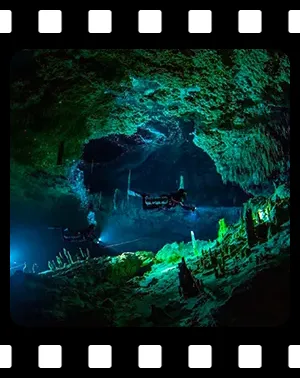
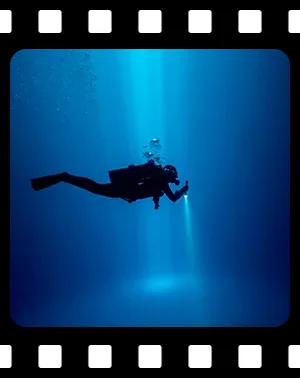
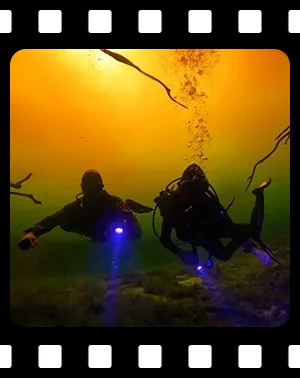
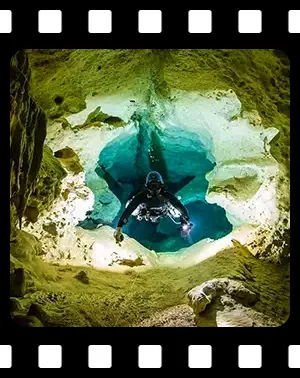
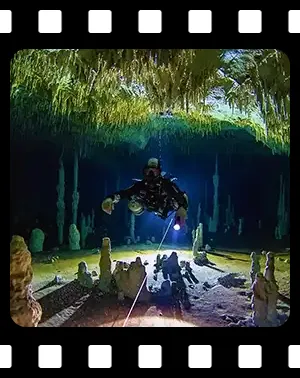
Cenote Diving is one of the diving options that make the Mayan Riviera stand out in the world map. Cenotes is the name given to the holes in the jungle floor that connect underground rivers to open air. Through the cenotes we get into the caverns that will offer us haloclines, light effects and geological wonders. Diving in these freshwater underground rivers is a unique experience that can be compared to no other.
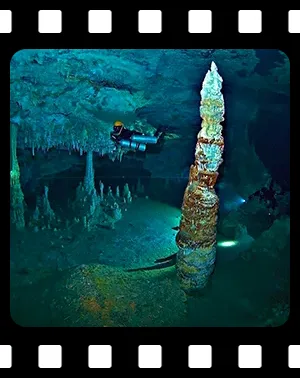
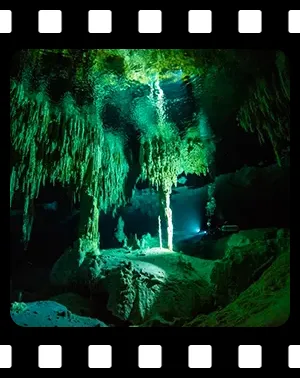
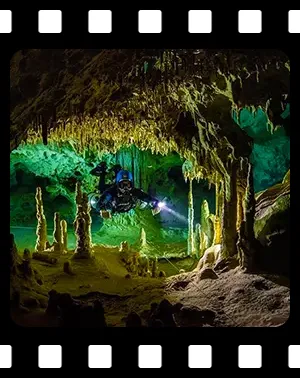
The clean fresh water offers perfect visibility to appreciate the amazing geological formations that will make us travel through centuries of history. There are hundreds of different cenotes in the Mayan Riviera and they are all magical in a different way. There are deep sink holes, shallow caverns, dives with haloclines, tannic acid clouds, fossil trees and more. We get to choose from many of cenotes according to your experience, preferences and diving level.
The best time for cenote diving is between May and September. These months bring the best light to the caves and result in better photographs. Note that diving in the cenotes is possible year-round.
Water temperatures in the cenotes remain constant year-round and cool very minimally during the winter months. On average, temperatures are approximately 77ºF (24 to 25ºC).
Min. lvl : Open Water Diver
Itinerary
Pick-up
I will pick you up with my truck at your accommodation or a pickup point we agree on.
Trip
Cenotes are all in the jungle, so we will drive there carrying all our gear and tanks.
We Dive!
We will do two dives of up to one hour each. Depending on the cenote, both dives might be starting from the same spot or we will drive from the first dive cenote to the next.
Food
In between dives we’ll have snacks and water. After finishing our two dives we will go have lunch.
Drop-off
Finally, I will drive you back to your accommodation.
The entrance fee(s) of the cenotes are NOT included in the price of the activity. You need to bring the money in cash on your own – be prepared, there’s no banks in the jungle!
MX$
00000
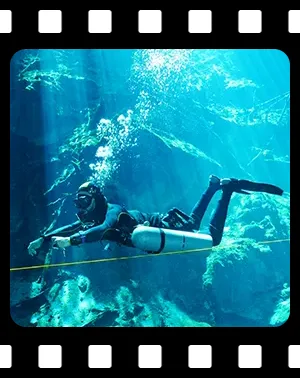
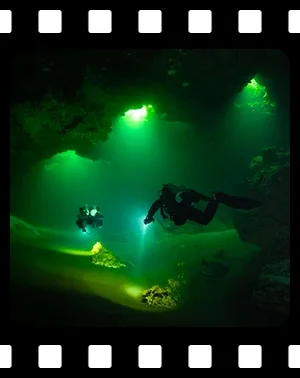
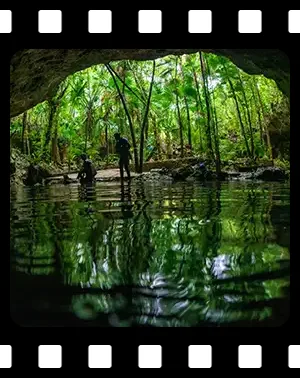
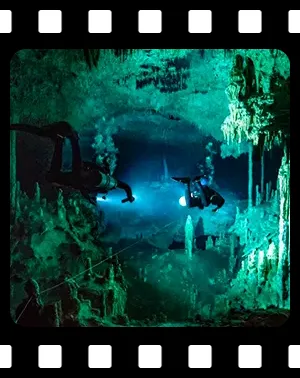
Cenote Diving Video

FAQs
Frequently Asked Questions About Cenotes
What is the difference between cavern diving and cave diving in the cenotes?
For recreational divers, cenote diving is strictly classified as cavern diving. This means we always stay within the ambient light zone, maximum 60 meters (200 feet) away from the nearest open-air surface exit, where a direct escape path is always visible. Cave diving, on the other hand, requires advanced technical certification. It involves entering pitch-black overhead environments with no natural light or immediate vertical access, which demands rigorous gas management (like the rule of thirds) and specialized gear setups like Sidemount. At Pasku Dive, we prioritize your safety by keeping all our standard guided excursions safely within the legal cavern limits.
sur la Riviera Maya offre des paysages sous-marins spectaculaires et d’une grande diversité, allant des récifs coralliens peu profonds aux complexes réseaux de grottes inondées. Opter pour un moniteur de plongée privé et un guide personnalisé à Playa del Carmen, comme les services haut de gamme que nous offrons chez Pasku Dive, fait toute la différence en matière de sécurité, d’apprentissage et de plaisir. Les centres de plongée touristiques classiques accueillent généralement de grands groupes, réunissant des plongeurs de niveaux d’expérience très différents sur le même bateau ou véhicule. Votre temps de plongée et votre itinéraire sont alors fortement limités par le plongeur qui consomme son gaz le plus rapidement ou celui qui a de la difficulté à équilibrer sa pression dans les oreilles.
Lorsque vous réservez une plongée privée, nous organisons la journée selon votre rythme, votre consommation de gaz, vos envies de photographie sous-marine et vos certifications. Que vous souhaitiez explorer les récifs de Playa del Carmen à votre rythme, perfectionner votre flottabilité ou entreprendre des plongées techniques plus complexes, un guide exclusif vous garantit une attention personnalisée qui élimine le stress sous-marin et optimise votre investissement vacances à Quintana Roo.
What certification level do I need to dive into the cenotes of Playa del Carmen?
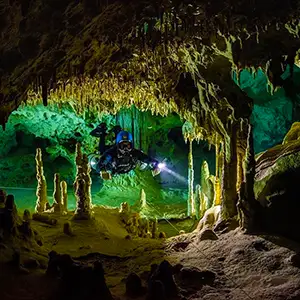
To join our cenote diving tours, the minimum requirement is an Open Water Diver certification (or an equivalent license from recognized agencies like PADI, SDI, or TDI). Because cenotes contain fresh water, they lack the natural buoyancy provided by the salt water of the Caribbean Sea. Proper buoyancy control and a solid horizontal trim are absolutely essential. This ensures a comfortable and safe experience, while also protecting the fragile limestone formations—such as stalactites and stalagmites—that took millions of years to grow and could easily break with a single loose fin kick.
What is a halocline and how does it affect underwater visibility?
A halocline is a fascinating visual and physical phenomenon that occurs exclusively in the flooded cave systems of the Yucatan Peninsula. It is the exact boundary layer where fresh water (from inland rainfall, which floats on top) meets dense salt water (which seeps in underneath from the Caribbean Sea). When you swim through this transition zone, the contrasting water densities create a blurry, shimmering effect—very similar to mixing water with oil or looking through frosted glass. Once you pass completely through the layer, the visibility instantly clears up to over 60 meters (200 feet), creating the surreal illusion that you are flying through empty space rather than swimming underwater.
What does the full-day cenote diving itinerary look like with Pasku Dive?
Our cenote diving excursion is designed as a seamless, full-day experience lasting between 6 to 7 hours in total:
1- Pick-up: I will pick you up directly from your accommodation or hotel in Playa del Carmen in my transport truck, pre-loaded with all the necessary scuba tanks and gear.
2- Drive to the Jungle: We will drive into the Mayan jungle toward our selected cenote location.
3- The Dives: We will conduct two separate guided cavern dives, with each dive lasting up to 60 minutes depending on air consumption.
4- Lunch & Snacks: Between the dives or right after finishing, we will enjoy fresh water, snacks, and a full local lunch to recharge your energy.
5- Drop-off: I will drive you back to your hotel or designated meeting spot in Playa del Carmen.
What is the average water temperature in the cenotes and what wetsuit is needed?
Unlike the ocean, where water temperatures fluctuate throughout the year, the underground cenotes remain at a constant 24°C to 25°C (77°F) across all seasons. Because this is fresh groundwater shielded from direct sunlight, it feels noticeably cooler than the sea. To prevent passive body cooling during a 60-minute dive, thermal protection is highly important. Pasku Dive provides full 5mm long wetsuits with every tour, keeping you perfectly insulated from the chill so you can fully enjoy both dives without shivering.
Can I take underwater photos and videos during the cavern tour?
Yes, underwater photography and filming are allowed, but under strict safety and conservation guidelines. Divers wishing to carry compact cameras (like a GoPro) must have excellent buoyancy control, as your primary focus must always be maintaining proper body positioning to avoid colliding with the fragile cavern walls. Keep in mind that many popular cenotes charge a “camera fee” at the entrance, which must be paid in cash by the diver. If you plan to use professional housings or high-powered strobes for advanced underwater photography, please let me know during booking so we can select the cenotes with the absolute best light dynamics and fewest camera restrictions.