Cozumel
- Lvl: Scuba Diver +
- Water 27-30˚C
- 7-8 hours
- Equipment: Yes
- Transport: Yes
- Food: Yes
- 2 Dives
World-Class Diving
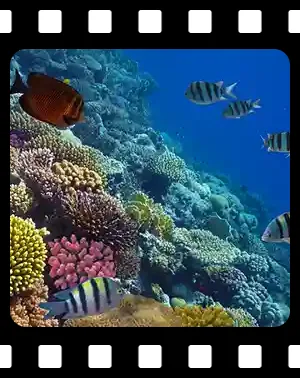
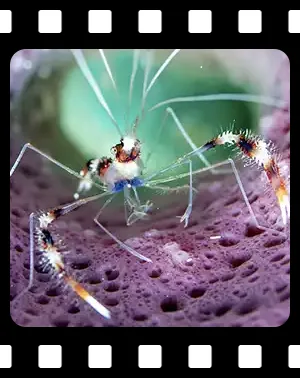
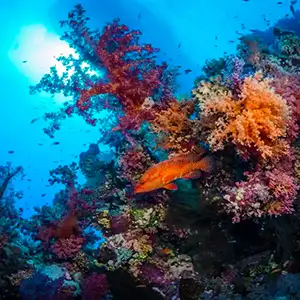
Cozumel is a wonderland of lush walls and high-voltage drifts, where caves and caverns are ripe for exploration. Make sure your regulator stays put as you gape at the menagerie of creatures bobbing along these Mesoamerican reefs. Eagle rays, turtles and nurse sharks are common additions to log books after diving in Cozumel. Look closely and you can add lobsters, groupers, stingrays and sergeant majors to your tally. Underwater photographers: if you’re after high res coral, Cozumel has it in abundance.
There is no bad time for diving in Cozumel. Water temperatures remain constant year-round 78-82ºF (25-28ºC) and cool only slightly during the winter months of September-December. You can dive approximately 300 days of the year – a glorious long season for divers. Diving in Cozumel is famous for easy drifts but currents can be strong during the seasonal transition – best suited to advanced divers. Divers choosing to plunge below the surface at this time are rewarded with more sharks and eagle rays.
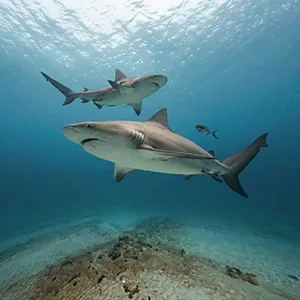
November-March in particular are the best months for bull shark sightings. May-September brings warm waters, uncrowded dive sites and generally calm conditions. This is the best time to dive in Cozumel if you like it warm, but diving in the Caribbean Sea is pleasant at any time of year.
[Text: padi.com]
Min. lvl : Scuba Diver
Itinerary
Pick-up
I will pick you up with my truck at your accommodation or a pickup point we agree on.
Trip to Cozumel
We take the ferry from Playa del Carmen to Cozumel.
We Dive!
We will do two dives of up to one hour each. In between dives we’ll have a surface interval.
Food
We will have lunch on the dive boat between the dives.
Trip back to Playa
We take the ferry from Cozumel to Playa del Carmen.
Drop-off
Finally, I will drive you back to your accommodation.
*The ferry ticket to Cozumel is included in the base price.
MX$
00000
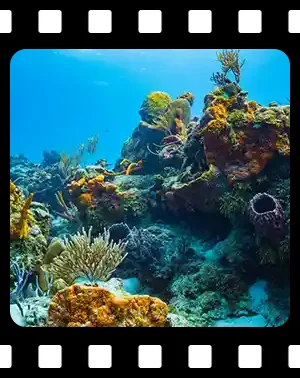
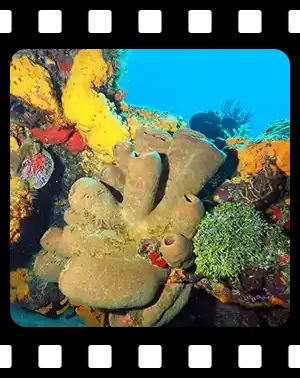
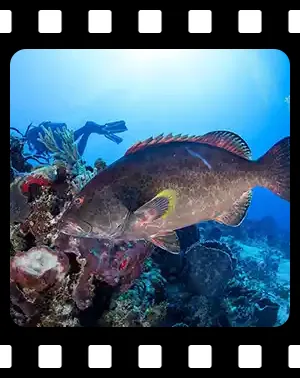
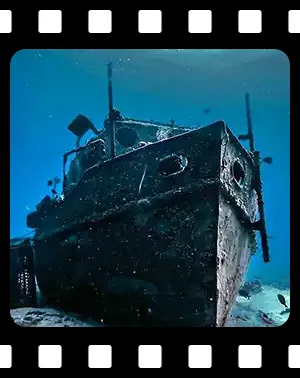
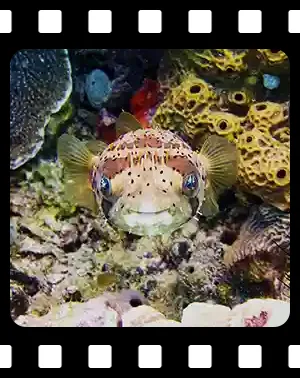
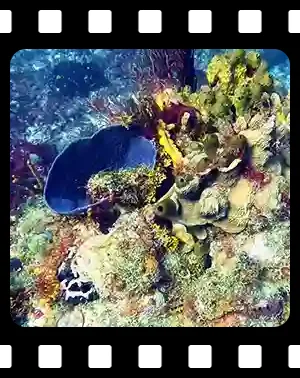
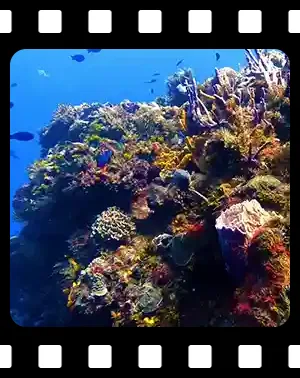
Cozumel Diving Video

FAQs
Frequently Asked Questions about Diving in Cozumel
What makes scuba diving in Cozumel different from Playa del Carmen reefs or the Cenotes?
Each destination in the Riviera Maya offers a completely different underwater experience. While Playa del Carmen is known for accessible coastal reefs and the cenotes reveal an extraordinary world of freshwater caves and limestone formations, Cozumel is famous for its crystal-clear Caribbean water, dramatic reef walls, and exhilarating drift dives.
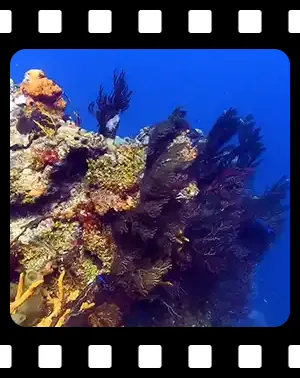
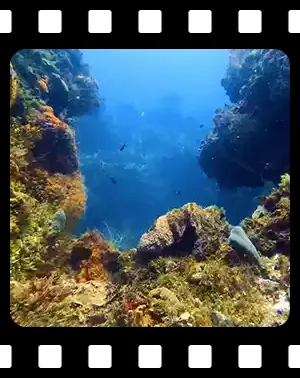
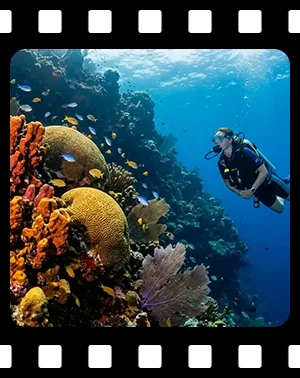
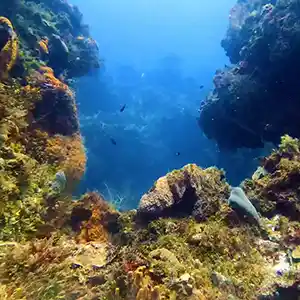
Cozumel’s reefs form part of the Mesoamerican Reef System and are particularly renowned for their impressive visibility, healthy coral formations, and abundant tropical marine life. Many dives take place along sloping walls, coral-covered pinnacles, and dramatic drop-offs, with the gentle-to-moderate current carrying divers effortlessly along the reef. This makes Cozumel an excellent choice for divers who want to experience expansive Caribbean landscapes, swim alongside schools of colorful fish, and enjoy the sensation of flying over the reef while the dive boat follows the group.
Which are the top dive sites we explore during the Cozumel excursion?
Our Cozumel excursions focus on some of the island’s most celebrated reef areas, where excellent visibility, vibrant coral formations, and abundant marine life come together to create unforgettable dives. Depending on conditions, certification level, and the day’s dive plan, sites may include famous locations such as Palancar, Colombia, Santa Rosa Wall, Punta Sur, or other reefs within Cozumel’s protected marine park.
Each site has its own character. Palancar is known for its spectacular coral formations and swim-throughs, while Santa Rosa offers dramatic walls and impressive depth. Colombia combines colorful reef scenery with opportunities to encounter larger marine animals, and Punta Sur is particularly renowned for its deeper and more adventurous underwater terrain. Our dive team selects the sites according to current, visibility, weather, and experience level to provide the best possible conditions on the day.
Do I need an advanced certification to dive in Cozumel?le
You do not necessarily need an Advanced Open Water certification to enjoy scuba diving in Cozumel. Certified Open Water divers can explore many of the island’s spectacular reefs, with the exact dive sites and depths selected according to their certification, experience, comfort level, and current conditions.
Cozumel is particularly famous for drift diving, so being comfortable in a moving current and maintaining good buoyancy are important skills. Some of the island’s deeper walls and more challenging sites may require additional certification or experience, while other reefs are suitable for recreational divers with less experience. Before each excursion, our instructors and divemasters review your certification and diving history so the itinerary can be matched to your abilities rather than taking a one-size-fits-all approach.
What is the Cozumel diving excursion from Playa del Carmen like, and what marine life can be observed?
Cozumel is internationally acclaimed as one of the world’s premier wall diving sanctuaries due to its dramatic vertical drop-offs and the exceptional health of its coral reefs within the Cozumel Reefs National Marine Park. For our divers staying in Playa del Carmen, we handle all the day-trip logistics to ensure a stress-free experience. We cross the marine channel on the morning ferry and board a local dive boat that takes us directly to the most iconic dive sites, such as the world-famous Palancar, Santa Rosa, or Columbia reefs.
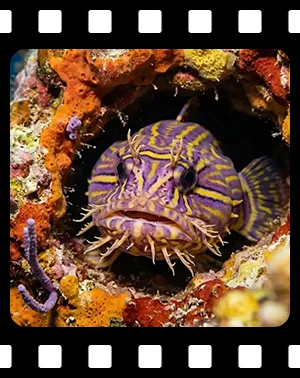
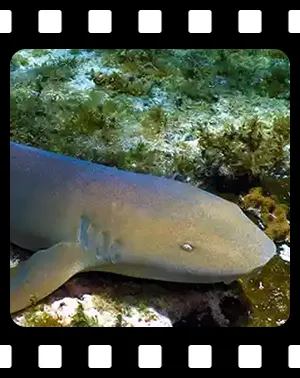
The diving profile in Cozumel is predominantly drift diving, meaning we glide effortlessly along the walls while being carried by the ocean currents as the boat follows our bubbles from the surface. This continuous flow of nutrients attracts an impressive array of marine biodiversity. During our guided dives in Cozumel, it is highly common to encounter large hawksbill and green sea turtles, majestic spotted eagle rays gliding gracefully in the current, nurse sharks resting underneath coral ledges, dense schools of surgeonfish, and the endemic, elusive Splendid Toadfish (Sanopus splendidus), a species that cannot be found anywhere else on Earth.
What is the best time of year to dive in Cozumel and what marine life will I see?
Playa del Carmen offers excellent diving throughout much of the year, with warm Caribbean water and a wide variety of marine life making it a rewarding destination in every season. The best period depends on what you hope to see: generally calmer conditions and excellent visibility are common during the drier months, while different seasons bring their own opportunities for memorable encounters beneath the surface.
On the reefs, divers can encounter colorful tropical fish, turtles, rays, moray eels, lobsters, crabs, barracuda, and numerous species living among the coral formations. During certain times of year, larger marine animals can also make an appearance, while seasonal conditions create opportunities for specialized dives. Water temperature remains comfortable for diving year-round, although visibility and sea conditions can vary with weather, wind, and seasonal patterns.