Imagine floating in the dim light of a subterranean cave in the heart of the Yucatán Peninsula. Sunbeams barely squeeze through a small skylight in the rock overhead, casting a electric turquoise glow onto freshwater so transparent it feels like hovering in thin air. As a dive instructor and passionate advocate for underwater archaeology, I have witnessed this exact scene hundreds of times, yet the sense of awe never fades. However, to truly appreciate this spectacle, you need to look beyond your buoyancy control or pressure gauge. You must peer past your mask and dive into the Mayan mythology surrounding these natural wonders.
For the ancient Maya, cenotes were not merely sinkholes or limestone pits to cool off in. They were the sacred portals to the underworld (Xibalba), places of worship, rituals, and offerings, and the very foundation of civilized life in the jungle. In this guide, I will walk you through the fascinating history of these sacred wells from the perspective of someone who explores them from the inside out every day—uncovering archaeological secrets, feared deities, and the proper ways to dive them while respecting their fragile legacy.
Geological Formation and the Sacred Origin of Cenotes
To understand the Mayan mythology bound to cenotes, we must first understand the land beneath our feet and fins. The Yucatán Peninsula is a massive limestone platform that emerged from the ocean millions of years ago. Unlike continental landmasses, there are virtually no surface rivers or lakes here; the entire hydrological network flows through underground galleries.
The word cenote originates from the Mayan term dzonot, which translates literally to “water-filled cave” or “well.” But how did these aquatic labyrinths actually form?
                    GEOLOGICAL EVOLUTION OF A CENOTE

  1. KARST DISSOLUTION                      2. CAVERN EMPTYING & SUBSIDENCE
  ┌─────────────────────────────────┐        ┌─────────────────────────────────┐
  │ • Acidic rainwater filtration   │        │ • Acidification hollows rock    │
  │ • Dry cavern network forms      │ ─────► │ • Water levels drop in Ice Age  │
  │ • Stalactite & stalagmite growth│        │ • Ceiling loses hydraulic support
  └─────────────────────────────────┘        └─────────────────────────────────┘
                                                             │
                                                             ▼
                                             3. ROOF COLLAPSE & OPENING
                                             ┌─────────────────────────────────┐
                                             │ • Vault ceiling collapses       │
                                             │ • Freshwater & saltwater layer  │
                                             │ • Entrance to the Underworld    │
                                             └─────────────────────────────────┘
- Karst Dissolution: Over millennia, rainwater (slightly acidic from absorbing carbon dioxide in the atmosphere and jungle floor) percolated through cracks in the limestone, slowly dissolving the rock.
- Dome Formation: During ice ages, global sea levels dropped, leaving dry caves adorned with stalactites and stalagmites. As sea levels rose again, the water dissolved the support structures, causing vault ceilings to collapse.
- The Chicxulub Meteorite Impact: Roughly 66 million years ago, the asteroid that caused the dinosaur extinction struck the northern coast of Yucatán. The immense shockwave created a ring of concentric fractures known as the “Ring of Cenotes,” which accelerated limestone erosion across the region.
When the first human settlers encountered these abyssal openings in the jungle floor, they did not see a simple geological phenomenon. They witnessed a cosmic manifestation: the physical threshold where the earthly world met the realm of the gods and the dead.
The Mayan Underworld (Xibalba) and the Realm of Shadows
In Mesoamerican cosmology, existence was divided into three interconnected realms: the Heavens (Ka’an), the Earth (Lu’um), and the Underworld (Xibalba). The latter was not an exact equivalent of the Judeo-Christian Hell meant for eternal punishment; Xibalba was a place of passage—a subterranean realm ruled by lords of disease, transformation, and death, but also the womb of creation and rebirth.
                           STRUCTURE OF THE MAYAN COSMOS

                   ┌─────────────────────────────────────────┐
                   │             THE HEAVENS (Ka'an)         │
                   │            13 Celestial Levels          │
                   └────────────────────┬────────────────────┘
                                        │
                                        ▼
                   ┌─────────────────────────────────────────┐
                   │              THE EARTH (Lu'um)          │
                   │      The Human Realm (Sustained)        │
                   └────────────────────┬────────────────────┘
                                        │
                                        ▼
                   ┌─────────────────────────────────────────┐
                   │             UNDERWORLD (Xibalba)        │
                   │   9 Subterranean Levels - The Cenotes   │
                   └─────────────────────────────────────────┘
The 9 Levels of the Underworld and the Soul’s Journey
According to the Popol Vuh, the sacred book of the K’iche’ Maya, the underworld consisted of nine descending levels. To traverse it, the souls of the deceased had to overcome terrifying trials in houses of torment: the House of Cold, the House of Jaguars, the House of Bats (Camazotz), and the House of Razor-Blades.
As a cave diving instructor, the precision with which ancient inhabitants described this subterranean landscape is striking. When you venture into a lightless gallery, edging past razor-sharp rock formations and feeling the sudden temperature shift at the halocline (the blurred boundary where freshwater meets saltwater), you immediately understand where the stories of Mayan mythology originated. Collapsed cave roofs were the physical gateways to that dark world.
Chaac and the Guardian Deities: Mayan Mythology Underwater
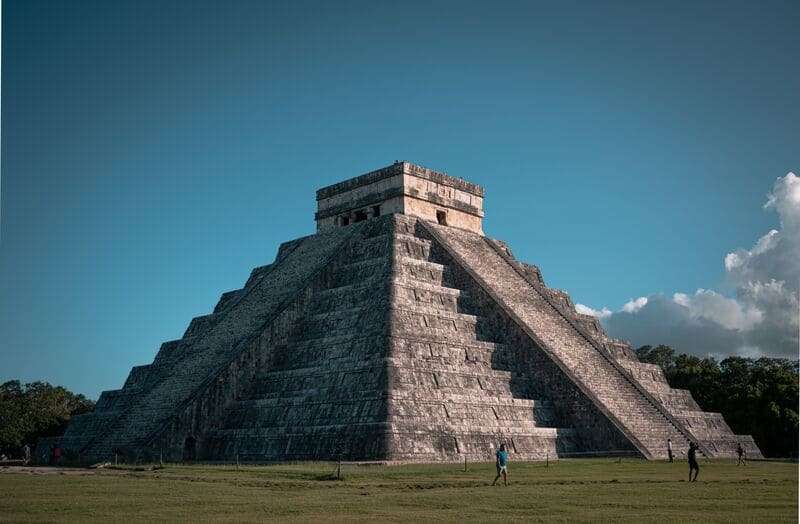
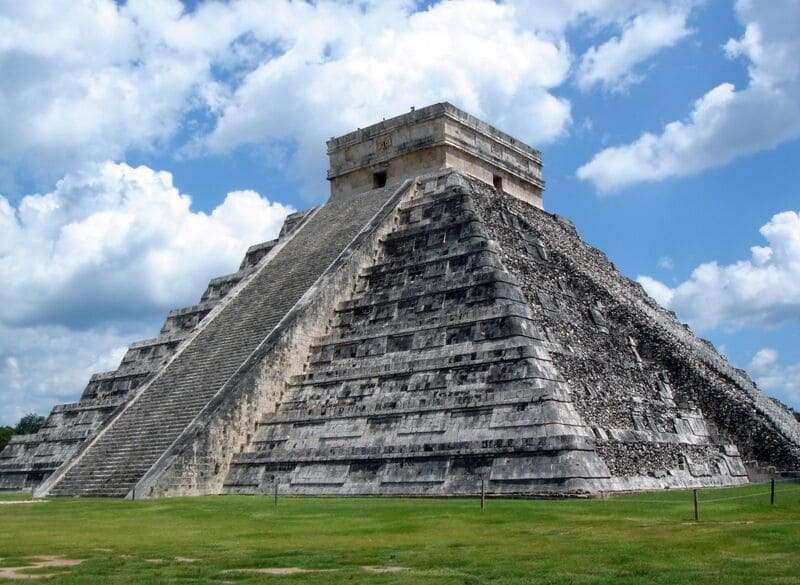
Fresh water was the most precious commodity in the Yucatán Peninsula. Without surface rivers, the survival of legendary cities like Chichén Itzá, Mayapan, and Tulum depended entirely on the water stored in cenotes. Consequently, the most revered aquatic deities in Mayan mythology resided in these depths.
DEITIES AND MYTHOLOGICAL ELEMENTS IN CENOTES

┌─────────────────────────┬─────────────────────────┬─────────────────────────────────────────┐
│ MAYAN DEITY             │ DOMAIN AND ELEMENT      │ MANIFESTATION IN CENOTES                │
├─────────────────────────┼─────────────────────────┼─────────────────────────────────────────┤
│ Chaac                   │ God of Rain and Water   │ Resides in the depths; demands          │
│                         │                         │ offerings during severe droughts.       │
│ Ah Puch (Kisin)         │ God of Death            │ Lord of Xibalba; guardian of lightless  │
│                         │                         │ subterranean passages.                  │
│ Ixtab                   │ Goddess of Rites        │ Linked to the sacred Ceiba tree whose   │
│                         │                         │ roots reach down into water pits.       │
│ Aluxes                  │ Jungle Spirits          │ Guardians of cenote entrances; require   │
│                         │                         │ respect, permissions, and offerings.    │
└─────────────────────────┴─────────────────────────┴─────────────────────────────────────────┘
Chaac, the God of Rain and Fertility
Chaac was worshipped with total devotion. Depicted with a curved tapir-like snout and protruding fangs, he was believed to dwell at the bottom of sacred sinkholes. Wielding a lightning axe, he struck the clouds to bring rain down upon the maize fields (milpas).
When rains failed and drought threatened the community, Mayan priests led solemn processions to the cenotes. The goal was to appease Chaac’s wrath with prayers and valuable offerings deposited directly into his aquatic abode.
The Aluxes: Forest Guardian Spirits
Even today, Mayan mythology remains an active part of daily dive operations. Ask any local guide or instructor, and they will tell you that before entering a cenote, you should quietly request permission from the Aluxes.
These small mythological spirits, similar to the forest sprites or goblins of European folklore, are the protectors of nature. If they are disrespected or ignored, locals believe they can play trickster pranks: hiding your mask, tangling regulator hoses, or causing minor mishaps on the jungle trail.
Archaeological Discoveries and Fossils Hidden in the Depths
For centuries, many assumed that accounts of sacrifices and submerged offerings were exaggerated tales recorded by Spanish chroniclers after the conquest. However, the birth of underwater archaeology and scientific diving in the mid-20th century revealed an astonishing reality: Mayan mythology was backed by remarkably intact physical evidence.
                TYPES OF SUBMERGED CAVE DISCOVERIES

       MAYAN RITUAL ARTIFACTS                 ICE AGE PALEONTOLOGICAL FINDS
  ┌──────────────────────────┐              ┌──────────────────────────┐
  │ • Ceremonial pottery     │              │ • Ancient human skeletons│
  │ • Jade & gold jewelry    │ ───────────► │   (e.g., Naia, 13,000 yo)│
  │ • Human skeletal remains │              │ • Extinct megafauna      │
  │ • Copal resin offerings  │              │ • Giant ground sloths    │
  └──────────────────────────┘              └──────────────────────────┘
The Sacred Cenote of Chichén Itzá
One of the most significant underwater archaeological sites in the world is the Sacred Cenote at Chichén Itzá. Dredged and explored by archaeologists and engineers over the decades, its floor yielded thousands of historic artifacts:
- Jade, turquoise, and gold jewelry: Masterfully crafted items imported from distant regions across Mesoamerica.
- Copal resin and organic textiles: Thanks to the oxygen-poor (anaerobic) conditions in the deep water layers, organic materials like copal incense, carved wooden implements, and woven fabrics survived intact for centuries.
- Human skeletal remains: Anthropological analysis revealed that individuals offered in the cenote were not exclusively young maidens, as popular myths suggested, but also men, elders, and children, often bearing distinct ritual markings.
Ice Age Megafauna Fossils
The history of cenotes extends far beyond the Maya. Over 12,000 years ago during the last ice age, sea levels were more than 100 meters (330 feet) lower than today, and these caverns were dry caves. Prehistoric megafauna roamed the area, venturing inside in search of water or falling through sinkhole openings.
When glaciers melted and flooded the cave system, these remains became frozen in time:
- Paleoamerican Skeletons: The discovery of Naia in the Hoyo Negro cenote—the most complete 13,000-year-old human skeleton found in the Americas—provided groundbreaking genetic evidence regarding early human migration.
- Fossils of Giant Sloths and Sabre-toothed Cats: Remains of multi-ton ground sloths (Xibalbaonyx) and extinct predators rest undisturbed on white sediment beds dozens of meters underwater.
The Cenote Diving Experience Through an Instructor’s Eyes
For a diver accustomed to ocean reefs or coastal drop-offs, entering a cenote requires a complete mindset shift. You aren’t searching for large fish schools or colorful nudibranchs; you are diving through the planet’s architecture and human history.
                  DIVING EXPERIENCE COMPARISON

   OCEAN DIVING                              CENOTE CAVERN DIVING
  ┌──────────────────────────┐              ┌──────────────────────────┐
  │ • Currents & waves       │              │ • Glass-still water      │
  │ • Saltwater buoyancy     │ ───────────► │ • Freshwater clarity     │
  │ • Focus on marine life   │              │ • Focus on light & stone │
  │ • Open water navigation  │              │ • Guideline navigation   │
  └──────────────────────────┘              └──────────────────────────┘
Unmatched Visibility and the Illusion of Air
The first thing that strikes you upon stepping into a cenote is the water clarity. Filtered through limestone rock for decades, the freshwater contains virtually no suspended particles. Visibility is so pristine that looking down gives you the sensation of floating in mid-air over a submerged cathedral.
The Halocline: Where Two Worlds Meet
One of the most surreal visual phenomena underwater is crossing the halocline. Occurring at depths usually between 10 and 18 meters (33 to 60 feet), this is the boundary layer where light freshwater sits directly on top of denser saltwater entering from the ocean.
As you pass through the halocline, the sudden change in water density distorts light. Looking around, you see a shimmering, blurry effect similar to heat waves rising off hot asphalt. Your dive buddy appears out of focus until you both submerge fully into the saltwater layer below, where the water turns crystal clear again. Ancient Maya believed this boundary was the literal border separating the living world from the realm of Xibalba.
The Laser Light Show
Around midday, when the sun reaches its peak above sinkhole openings, sunlight pierces the water in concentrated laser-like beams. This phenomenon, often referred to by dive guides as the “cathedral effect,” creates a striking contrast against the dark cavern walls. In that moment, it becomes completely clear why these locations were revered as sacred sanctuaries.
Types of Cenotes and Top Sites to Explore
Not all cenotes look the same. Depending on their geological age and the degree of ceiling collapse, they are classified into four main categories:
TYPES OF CENOTES AND THEIR CHARACTERISTICS

┌─────────────────────────┬─────────────────────────┬─────────────────────────────────────────┐
│ CENOTE TYPE             │ GEOLOGICAL AGE          │ DESCRIPTION & FAMOUS EXAMPLES           │
├─────────────────────────┼─────────────────────────┼─────────────────────────────────────────┤
│ Open Cenote             │ Oldest formation        │ Vertical walls, lake-like basin.        │
│ (Cylindrical)           │ (Ceiling fully collapsed│ Examples: Cenote Ik Kil / Cenote Azul.  │
├─────────────────────────┼─────────────────────────┼─────────────────────────────────────────┤
│ Semi-Open Cenote        │ Intermediate age        │ Jug-shaped with a skylight opening.     │
│                         │ (Partially collapsed)   │ Examples: Cenote Suytun / Cenote Calavera│
├─────────────────────────┼─────────────────────────┼─────────────────────────────────────────┤
│ Cave Cenote             │ Youngest formation      │ Subterranean access; requires light.    │
│ (Underground)           │ (Roof almost intact)    │ Examples: Cenote Dos Ojos / El Pit.     │
├─────────────────────────┼─────────────────────────┼─────────────────────────────────────────┤
│ Aguadas                 │ Final stage             │ Shallow basins integrated into jungle   │
│                         │ (Completely eroded)     │ vegetation.                             │
└─────────────────────────┴─────────────────────────┴─────────────────────────────────────────┘
If you are planning a trip to experience the Mayan mythology of cenotes firsthand, these three sites should top your logbook wishlist:
- El Pit: A massive sinkhole in the jungle dropping vertically past 60 meters (200 feet). At 30 meters, a dense cloud of hydrogen sulfide (a natural organic gas layer) floats above fallen trees, creating a ghostly landscape reminiscent of deep Xibalba.
- Dos Ojos: One of the most famous and accessible cavern systems in the world, renowned for wide, light-filled passages, massive stalactite rooms, and comfortable diving lines.
- Cenote Zapote (Hell’s Bells): Reserved for experienced divers, this site features unique bell-shaped stalactites formed underwater through complex bacterial processes—unlike anything else on Earth.
Conservation Guidelines for Protecting a Fragile Heritage
Exploring a cenote is a privilege that comes with significant responsibility. Divers enter a delicate ecosystem and an irreplaceable archaeological sanctuary.
CENOTE DIVING ETIQUETTE & CONSERVATION RULES

  [1] NEVER TOUCH STALACTITES, STALAGMITES, OR CAVERN WALLS.
  [2] DO NOT APPLY CHEMICAL SUNSCREEN OR INSECT REPELLENT BEFORE DIVING.
  [3] MAINTAIN PERFECT NEUTRAL BUOYANCY TO PREVENT SILT DISTURBANCE.
  [4] LEAVE ALL ARTIFACTS AND BONES EXACTLY WHERE THEY REST.
  [5] USE FROG-KICK TECHNIQUE TO KEEP FIN WASH AWAY FROM THE BOTTOM.
- Zero Chemical Residues: Cenote waters feed the region’s underground aquifers. Conventional sunscreens and bug sprays contaminate the water table. Protect your skin using UPF 50+ rashguards instead.
- Buoyancy and Trim Control: A single careless fin kick can stir up fine sediment (silting), knocking out visibility for hours. Furthermore, hitting a stalactite can instantly destroy a formation that took thousands of years to grow.
- Respect Archaeological Heritage: If you spot a ceramic fragment or fossil during your dive, never touch or move it. Take photos if permitted, but leave history resting where it belongs.
Dive into Living History with Pasku Dive
Uncovering Mayan mythology through subterranean river networks is one of the most rewarding adventures available to divers today. It is far more than a standard dive; it is a journey into the spiritual heart of an ancient civilization and a chance to explore landscapes that feel out of this world.
To experience these cavern systems safely, in small groups, and with strict adherence to environmental preservation standards, partnering with knowledgeable local professionals is key.
If you are ready to turn your trip to the Yucatán Peninsula into an unforgettable journey through the portals of Xibalba, we are here to guide you. Discover specialized cavern tours, training, and guided excursions by visiting Pasku Dive. Gear up, adjust your mask, and step through the threshold into the Mayan underworld with complete confidence!