
Flying After Diving How Long to Wait: The Essential Guide for Safe Subaquatic Travel

we will break down the medical science, international standards, and practical rules regarding flying after scuba diving
Cenote Diving Visibility Year Round: Why Mexico’s Underground Rivers Never Fade
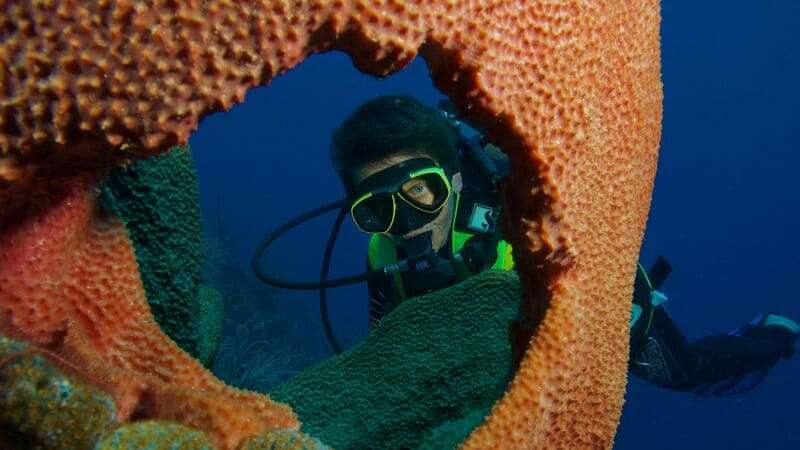
we will analyze why exceptional diving visibility is a constant year-round reality in the Maya underworld, exploring the science
Small Group Scuba Diving Benefits: Why Intimate Dives Transform Your Underwater Experience
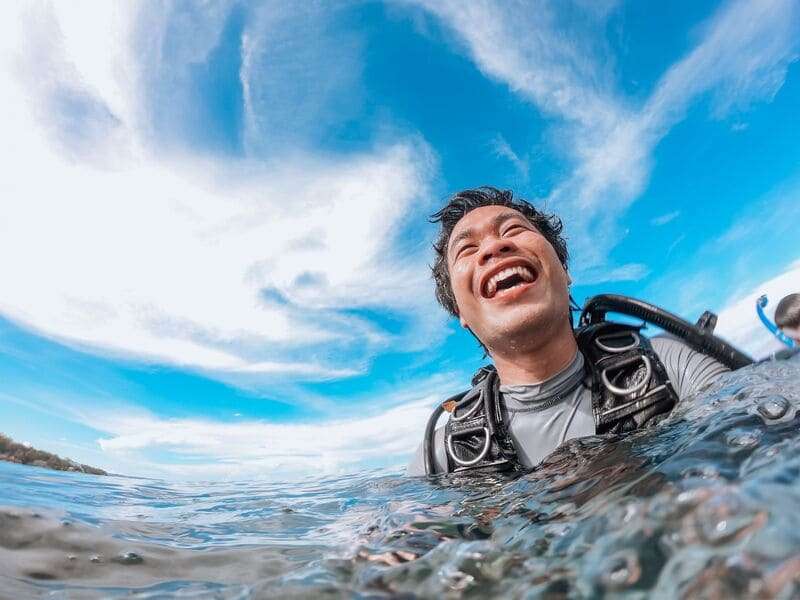
Small Group Scuba Diving Benefits: Why Intimate Dives Transform Your Underwater Experience For certified scuba divers from Spain who are used to the bustling dive centers of the Costa Brava, the Canary Islands, or tropical international hotspots, planning a dream underwater getaway brings up an important choice. When organizing your next subaquatic expedition—whether exploring the coral reefs of the Red Sea, the cenotes of Mexico, or local Mediterranean reserves—the size of your dive group matters immensely. Understanding the true diving benefits of keeping your underwater excursions intimate and exclusive can completely revolutionize how you experience the ocean. In this comprehensive, in-depth guide, we will analyze why traveling and diving in small groups is the absolute best choice for safety, personalized attention, marine conservation, and overall enjoyment. Personalized Attention and Safety: The Core Diving Benefits When you sign up for a massive dive boat carrying twenty or thirty divers, logistics inevitably dictate the experience. Guides are stretched thin, briefings have to cater to the lowest common denominator, and individual needs often get lost in the shuffle. By contrast, one of the primary diving benefits of choosing boutique, low-density operations is the level of personalized attention you receive. Environmental Conservation: How Small Groups Protect Marine Ecosystems As passionate ambassadors of the underwater world, divers in Spain and across Europe are increasingly conscious of their ecological footprint. Protecting fragile marine habitats is a crucial responsibility, and environmental stewardship represents one of the most significant diving benefits of intimate excursions. Minimizing Reef Damage and Sediment Stirring Large groups of novice or unfamiliar divers swimming closely together often create a chaotic environment underwater: Better Wildlife Encounters: Unlocking the Ultimate Diving Benefits Let’s be honest: one of the main reasons we pack heavy gear bags and travel thousands of miles is to lock eyes with magnificent marine life. Whether you dream of swimming alongside gentle whale sharks, reef mantas, or inquisitive groupers, crowd size directly impacts wildlife behavior. Optimized Bottom Time and Gas Management: Advanced Diving Benefits Air consumption varies wildly from one diver to another. In large commercial dive operations, the entire group’s underwater tour is almost always dictated by the diver who breathes the fastest. This means that if you have great lung capacity and excellent air consumption, you are often forced to cut a wonderful dive short just because someone else is running low on air. Psychological Comfort and Learning: Perfect for All Skill Levels Whether you are an advanced technical diver or someone who recently completed their Open Water certification and feels a bit nervous about diving in unfamiliar currents, psychological comfort is a vital component of a successful trip. Practical Planning Tips for Your Next Dive Vacation When planning your upcoming scuba travels from Spain, keeping these factors in mind will help you select the right operators: Elevate Your Time Beneath the Surface Weighing the diving benefits clearly demonstrates that intimate, small-group excursions elevate scuba diving from a simple tourist activity into a deeply immersive, safe, and unforgettable adventure. By prioritizing personal attention, environmental protection, and enhanced wildlife encounters, you ensure that every breath underwater is as magical as it should be. Final Reflection: The ocean reveals its greatest secrets only to those who approach it with patience, respect, and quiet attention—qualities that thrive best away from the crowds. If you are inspired to plan your next extraordinary diving experience with a professional team that champions personalized attention, safety, and small-group excellence, we strongly recommend exploring the tailored packages and expert guidance available at paskudive.com.
Is Cenote Diving Safe for Beginners? Everything You Need to Know
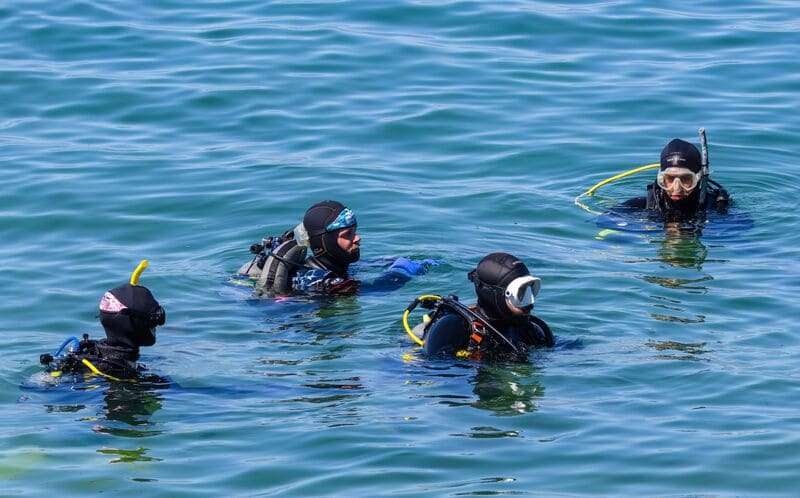
¿Es realmente seguro el buceo en cenotes para los principiantes que acaban de obtener su titulación o tienen poca experiencia en aguas abiertas?
Halocline Cenote Diving Explained
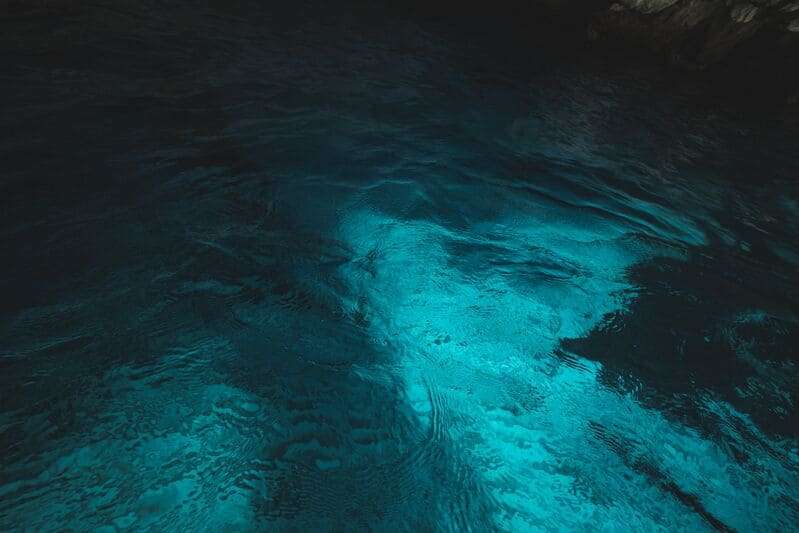
having halocline cenote diving explained will completely change how you view cave diving.
Is It Worth Diving During the Rainy Season?

Is It Worth Diving During the Rainy Season? Planning a scuba diving holiday across the Atlantic often brings up logical doubts, especially if your chosen dates coincide with the rainy and hurricane months in the Caribbean. For any diving enthusiast coming from Spain—accustomed to the temperate seasonality of the Mediterranean or the Atlantic clarity of the Canary Islands—the big question when summer or autumn approaches is always the same: rainy season diving Mexico worth it? Does it truly pay off to cross the ocean during the months of rainfall and tropical storms? In this comprehensive article, we will break down what diving in Mexico during its wet season really entails, which meteorological factors you need to keep in mind, and why—contrary to popular belief—it can be one of the best decisions of your diving life. Understanding Tropical Climate: Is Rainy Season Diving Mexico Worth It? To evaluate whether rainy season diving Mexico worth it for your next holiday, the first step is understanding how the weather works in the Yucatán Peninsula and the state of Quintana Roo. Unlike the rainy autumn we experience in mainland Spain—frequently associated with prolonged storms and all-day gray skies—the Mexican tropical climate operates in cycles of high intensity and short duration. The Mayan Cenotes: The Winning Card When You Wonder If Rainy Season Diving Mexico Worth It One of the great highlights of traveling to Mexico during this period is that cenotes are completely immune to surface weather conditions. If you are debating whether rainy season diving Mexico worth it due to coastal rain forecasts, you should know that underground, the experience remains entirely intact and often improves. Why Cenotes Shine During the Rainy Season The underground river systems of the Riviera Maya operate independently of surface marine storms: Unique Marine Life: The Strong Argument for Deciding If Rainy Season Diving Mexico Worth It Moving out into open water, the argument that answers affirmatively to whether rainy season diving Mexico worth it revolves around seasonal marine biology. Far from diminishing, the biodiversity of the Riviera Maya and the Mexican Caribbean reaches fascinating heights during the summer and wet season. The Majestic Whale Shark in Holbox and Isla Mujeres Between June and September, the largest aggregation of whale sharks (Rhincodon typus) on the planet concentrates off the coasts of Quintana Roo. Logistical and Financial Advantages of Traveling in the Wet Season Beyond pure underwater experiences, analyzing whether rainy season diving Mexico worth it requires putting economic and logistical factors on the table. Traveling outside peak season (December to April) offers tangible benefits for travelers from Spain: Key Precautions: Hurricanes and Diving Safety Naturally, giving a resounding yes to whether rainy season diving Mexico worth it requires prudent nuances. The Atlantic hurricane season officially runs from June to November, with peak activity between August and October. Should You Plan Your Diving Trip to Mexico This Year? Ultimately, evaluating whether rainy season diving Mexico worth it boils down to what you value most on your holiday. If you seek guaranteed clear skies at all costs while paying high rates and sharing dive sites with hundreds of tourists, you might prefer the dry season. However, if you are a flexible diver, want to optimize your budget, wish to explore cenotes in total tranquility, and want to witness the greatest spectacles of pelagic fauna in the Caribbean, the rainy season is not only worth it—it is arguably diving’s best-kept secret in Mexico. Final Reflection: The ocean has its own rhythms and nature does not understand rigid vacation calendars. Embracing its dynamism is the key to living the most authentic underwater experiences. If this guide has convinced you to take the plunge and you want to organize an unforgettable experience with professionals who know every corner of the Mexican coast and its marine depths inside out, we recommend checking out the specialized services offered on the website paskudive.com, where you will find expert advice and custom packages for your next great immersion.
Riviera Maya vs Bahamas Diving where to Plan Your Next Great Underwater Adventure
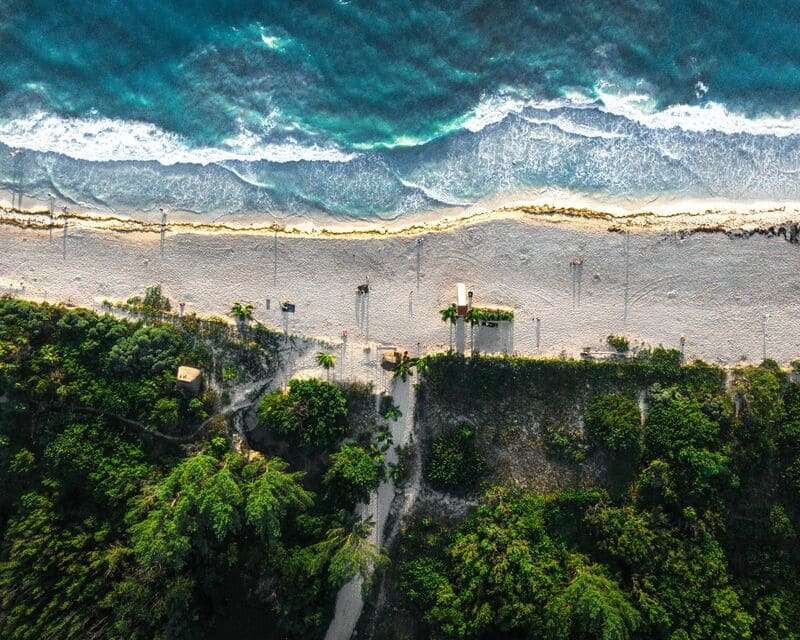
In this definitive comparison of Riviera Maya vs Bahamas diving, we will break down what each paradise has to offer to help
Equalizing Your Ears whim Scuba Diving: Effective Techniques to Prevent Pain
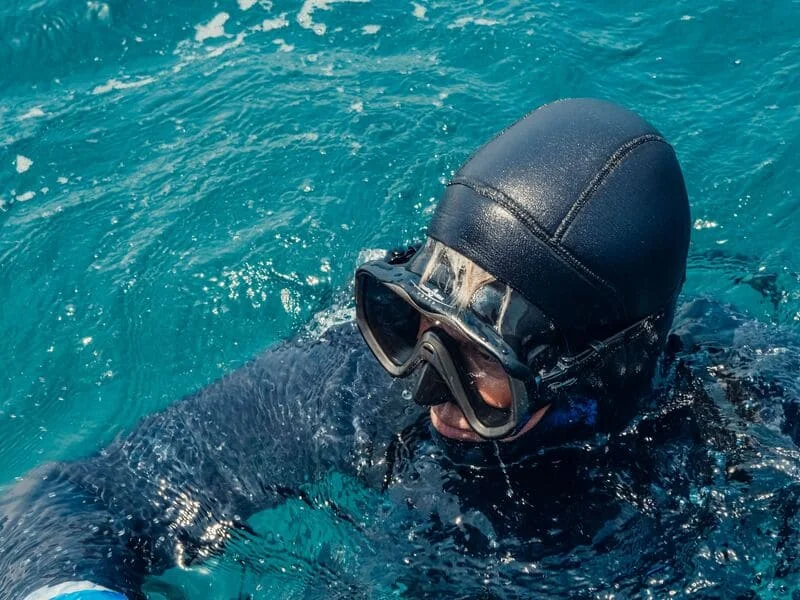
Do your ears hurt when you descend? Discover the best techniques and maneuvers to equalize your ears when scuba diving cleanly, safely, and pain-free.
Fear of Diving? 5 Psychological Tips to Stay Calm Underwater
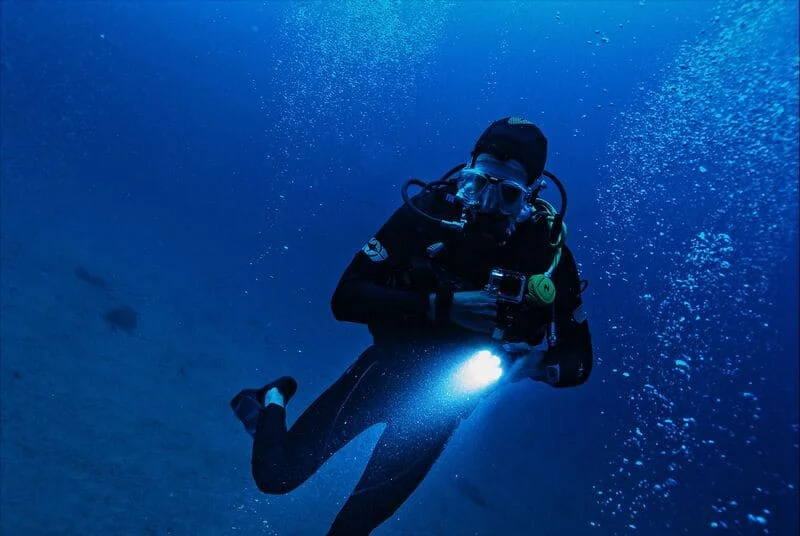
Feeling anxious before you submerge? Discover 5 highly effective psychological keys to overcome your fear of diving, manage panic, and enjoy the sea.
Is Diving with Bull Sharks in Playa del Carmen Safe?
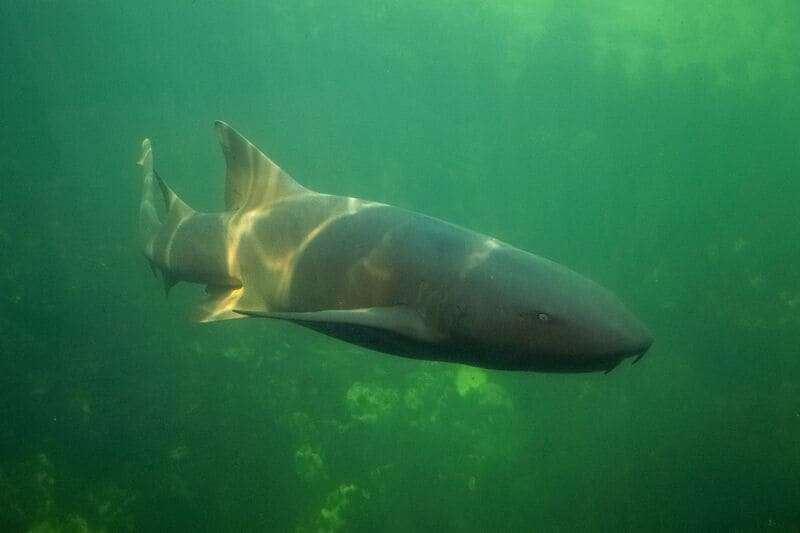
When done correctly with a certified professional, diving with bull sharks in Playa del Carmen is not only incredibly safe