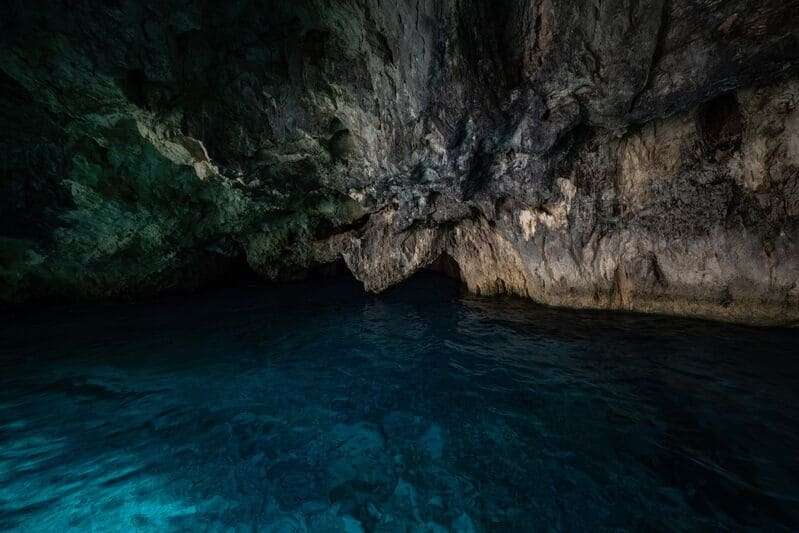
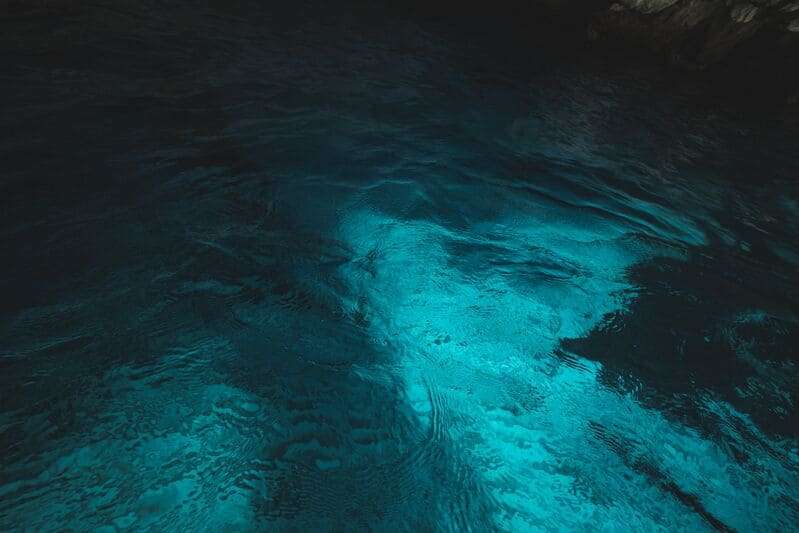
For certified divers crossing the Atlantic from Spain in search of extraordinary underwater topography, the flooded cave systems of the Yucatán Peninsula offer a bucket-list experience like no other. While swimming through underground caverns filled with stalactites and stalagmites is already awe-inspiring, witnessing unique physical phenomena elevates the adventure entirely. If you have ever wondered what happens when fresh water meets salt water underground, having halocline cenote diving explained will completely change how you view cave diving.
In this comprehensive guide, we will break down the science, the visual spectacles, and the practical safety measures involved in halocline cenote diving explained for divers eager to master this surreal subterranean environment.
What Is a Halocline? Halocline cenote diving explained through physics
To truly appreciate halocline cenote diving explained, we first need to understand the basic oceanographic and geological science at play beneath the Mexican jungle. A halocline is a vertical zone within a body of water where there is a sharp and distinct gradient in salinity.
- The Fresh and Salt Water Layers: In the coastal cave systems of the Riviera Maya, rain filtering down through the porous limestone creates a massive lens of fresh water that floats directly above a heavier, denser layer of intruding salt water seeping in from the Caribbean Sea.
- The Mixing Barrier: Because fresh water and salt water have different densities and do not mix instantly, they form a clearly visible layer or boundary line. When light passes through this shifting interface of differing refractive indices, it bends dramatically, creating mind-bending optical illusions that every diver must experience firsthand.
The Visual Spectacle: Why halocline cenote diving explained feels like swimming through space
One of the most common questions divers ask before heading into the subterranean labyrinth is what it actually looks like when you cross the boundary layer. When you have halocline cenote diving explained by an experienced local guide, they will often describe it as swimming through oil, liquid glass, or even outer space.
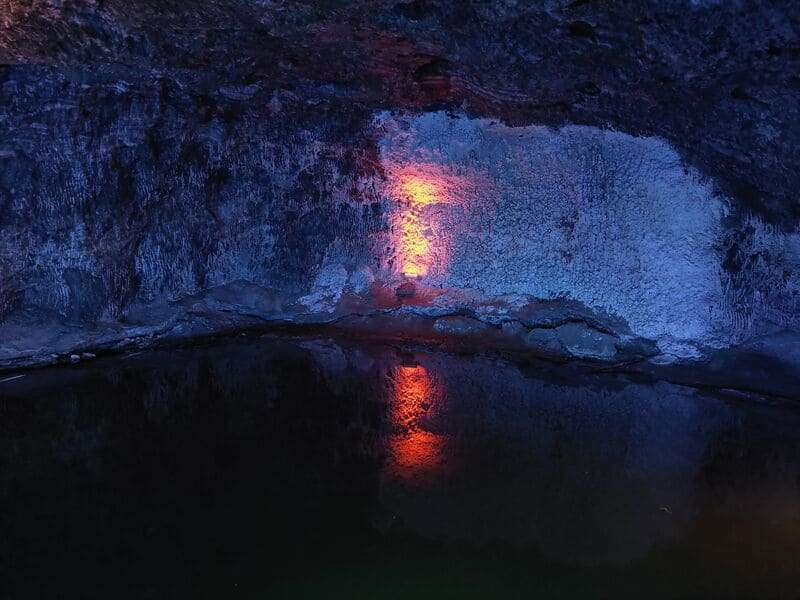
Optical Illusions and Shimmering Waters
As you descend from the crystal-clear fresh water layer into the denser salt water layer below, several things happen simultaneously:
- The “Blurry” Zone: At the exact point where the two waters meet, refraction creates a shimmering, wavy effect similar to heat rising off a hot asphalt road in summer.
- Ghostly Reflections: Flashlights and dive torches cast strange shadows and distorted beams across the boundary, making objects on the other side appear wavy, out of focus, or doubled.
- Complete Clarity Below: Once you fully cross through the halocline and settle into the lower salt water layer, the water often becomes remarkably clear again, allowing you to look back up and see the shimmering barrier floating above your head like an ethereal mirror.
Top Cenotes for Experiencing Haloclines: Halocline cenote diving explained in practice
Not all cenotes feature prominent or dramatic haloclines. Because the phenomenon relies heavily on proximity to the coast and specific hydrological connections to the ocean, certain cavern systems are world-famous for displaying this effect. When getting halocline cenote diving explained prior to a booking, instructors will usually point you toward specific locations:
- Cenote Carwash (Akt Chen): Located just off the main road toward Cobá, this open-air cenote features a distinct halocline layer at around 12 to 15 meters deep, often accompanied by gorgeous underwater vegetation and fallen logs that create dramatic composition for underwater photography.
- Cenote Dos Ojos: Famous worldwide for its vast cavern routes, it offers fascinating mixing layers where divers can experience sudden temperature shifts alongside classic halocline refraction.
- Cenote Angelita: Famous for its eerie hydrogen sulfide cloud, Angelita also features deep water layers where salt water intrusion creates distinct chemical and physical gradients that stun advanced technical divers.
Essential Safety and Technical Considerations for Divers
While experiencing these natural wonders is unforgettable, cavern and cave diving demand strict adherence to safety protocols. A proper briefing covering halocline cenote diving explained will always emphasize environmental conservation and diver preparedness.
Buoncy Control and Environmental Protection
- Maintaining Neutral Buoyancy: Because the two water layers have different densities, passing through a halocline can cause a sudden, subtle shift in your buoyancy. Divers must manage their breath and BCD inflation carefully to avoid crashing into fragile limestone formations or kicking up the delicate silt floor.
- Light Discipline: Cave and cavern diving requires carrying primary and backup dive lights. Good communication via hand signals is vital, especially when visual distortion peaks inside the halocline boundary layer.
- Certification Requirements: While introductory cavern dives can be completed with an Open Water certification under the direct supervision of a full cave/cavern guide, mastering deep haloclines often requires an Advanced Open Water certification and exceptional air consumption control.
Logistics and Travel Planning for Spanish Divers
For divers traveling from Spain, planning a trip to Quintana Roo requires factoring in seasonal weather patterns, gear preparation, and reliable local operations.
- Gear Care: Salt water mixed with fresh water means your regulator and BCD should be thoroughly rinsed with fresh water immediately after every dive day to prevent mineral and salt buildup.
- Choosing the Right Guide: Always dive with certified Full Cave or Cavern guides registered with local Mexican authorities (such as ADCT or Pepe Esteban’s standards). Local expertise ensures you understand the historical, ecological, and physical characteristics of every site you visit.
Dive Into the Mysteries of the Yucatán Subsurface
Understanding halocline cenote diving explained is just the first step toward experiencing one of Earth’s most breathtaking geological phenomena. Floating between fresh rainwater and ancient ocean brine while sunlight streams down through jungle sinkholes creates a memory that stays with every diver for a lifetime.
Final Reflection: The ocean and its subterranean veins teach us that boundaries in nature are rarely solid lines; they are dynamic, shifting zones of transition waiting to be explored with curiosity and respect.
If this guide has sparked your curiosity and you are ready to plan an unforgettable underwater expedition in Mexico with certified professionals who know every cavern system inside out, we recommend exploring the expert services and custom itineraries available at paskudive.com.