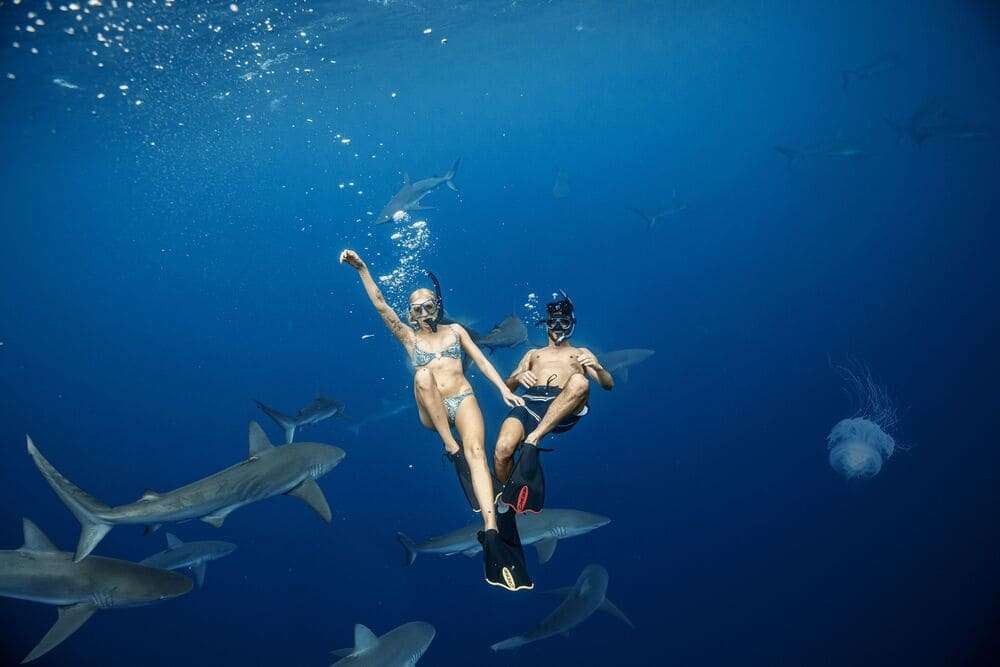
Diving into the crystal-clear waters of an underground cenote or exploring colorful coral reefs in tropical destinations is a dream for any ocean and nature lover. However, when packing our bags—whether for a getaway to the Canary Islands, a route through the Mediterranean coves, or a transatlantic trip to the Riviera Maya—we often toss in our everyday beach sunscreen without stopping to think about its ingredients. The reality is that conventional sunscreen has become one of the primary chemical threats to fragile aquatic ecosystems.
In the vast majority of natural parks, marine reserves, and protected areas with cenotes, regulations are strict: water entry is prohibited if you are wearing sunscreen containing harmful synthetic substances. Does this mean giving up UV protection? Absolutely not. The key lies in learning how to identify which sunscreens are marine-friendly (reef-friendly or biodegradable), which prohibited components to avoid at all costs, and what textile alternatives exist to protect your skin without leaving a footprint on the environment.
The Environmental Impact of Traditional Sunscreen on Reefs and Cenotes
To understand why environmental authorities and dive centers are so strict about the type of sunscreen we apply, it is necessary to examine what happens at a microscopic level when we enter the water coated in chemical sunscreens.
                    CHEMICAL IMPACT ON THE AQUATIC ENVIRONMENT

  Conventional Sunscreen (Chemical Filters)
  ┌────────────────────────────────────────────────────────┐
  │ Oxybenzone + Octinoxate + Microplastics                │
  └───────────────────────────┬────────────────────────────┘
                              │
                              ▼
        ┌─────────────────────┴─────────────────────┐
        │                                           │
        ▼                                           ▼
  Coral Reefs                             Cenotes and Caves
  • Coral bleaching                       • Accumulation in water layers
  • Death of zooxanthellae                • Greasy surface film
  • Fish DNA alteration                   • Contamination of aquifers
It is estimated that thousands of tons of sunscreen end up dissolved in oceans and freshwater systems every year. Active ingredients from synthetic sun filters wash off skin and remain suspended in the water column, triggering devastating effects on the environment:
- Coral bleaching and mortality: Compounds like oxybenzone and octinoxate damage coral DNA, kill the symbiotic algae (zooxanthellae) that supply them with food and color, and cause irreversible bleaching even in minute concentrations.
- Endocrine disruption in marine life: Synthetic chemicals interfere with the hormonal systems of fish, sea turtles, mollusks, and sea urchins, impairing their reproductive and developmental capabilities.
- Contamination of closed cenote aquifers: Unlike the open ocean, where tides create continuous circulation, cenotes are freshwater or halocline systems with stagnant or very slow-moving water. Accumulated oils and chemical filters create a greasy surface film that blocks oxygen exchange and alters groundwater quality.
Prohibited Components: Ingredients Your Sunscreen Must NOT Contain
Before buying a sunscreen or packing it in your suitcase, checking the back label (the INCI ingredient list) is essential. A common mistake among travelers is blindly trusting marketing claims like “ecological,” “natural,” or “ocean-friendly” without verifying the actual formula.
INGREDIENTS TO AVOID VS. PERMITTED INGREDIENTS

┌─────────────────────────────────────────┬─────────────────────────────────────────┐
│ HARMFUL CHEMICAL FILTERS (AVOID)        │ PERMITTED MINERAL FILTERS (USE)         │
├─────────────────────────────────────────┼─────────────────────────────────────────┤
│ Oxybenzone (Benzophenone-3)             │ Non-nano Zinc Oxide                     │
│ Octinoxate (Ethylhexyl Methoxycinnamate)│ Non-nano Titanium Dioxide               │
│ Octocrylene                             │ Biodegradable plant oils                │
│ 4-Methylbenzylidene Camphor (4-MBC)     │ Natural waxes (beeswax, candelilla)     │
│ Parabens and Phthalates                 │                                         │
└─────────────────────────────────────────┴─────────────────────────────────────────┘
The “Blacklist” of Chemical Ingredients to Avoid
If your sunscreen bottle contains any of the following compounds, it is not a sunscreen allowed in cenotes or protected marine reserves:
Microplastics and non-biodegradable silicones (Cyclopentasiloxane, Dimethicone): Synthetic particles ingested by marine invertebrates.
Oxybenzone (Benzophenone-3): The most destructive chemical for coral, disrupting larval development.
Octinoxate (Ethylhexyl Methoxycinnamate): Causes accelerated coral bleaching.
Octocrylene: Highly toxic to fish and difficult to degrade in water.
4-Methylbenzylidene Camphor (4-MBC): A marine endocrine disruptor.
Requirements for Sunscreen Allowed in Cenotes and Marine Reserves
For a product to be considered genuinely eco-friendly and suitable for diving in fragile environments, it must meet specific technical and biological criteria.
       REQUIREMENTS FOR BIODEGRADABLE SUNSCREEN
                             │
            ┌────────────────┴────────────────┐
            ▼                                 ▼
   "NON-NANO" MINERAL FILTERS        100% ORGANIC INGREDIENTS
    • Zinc Oxide / Titanium Dioxide   • Oil and wax base
    • Particles > 100 nm              • Biodegradation in < 30 days
    • Surface physical barrier        • Free of synthetic preservatives
Mineral (Physical) Filters vs. Chemical Filters
The fundamental difference lies in how they protect skin from ultraviolet radiation:
- Chemical filters: Penetrate upper epidermal layers and absorb UV rays, converting them into heat. They readily wash off in water and contaminate the ecosystem.
- Mineral (physical) filters: Remain on the skin surface to create a reflective barrier that acts like a mirror, deflecting sun rays away. The only two approved mineral active ingredients are Zinc Oxide and Titanium Dioxide.
The Vital Importance of “Non-Nano” Particles
Using zinc oxide alone is not enough. Mineral particles must be non-nano in size (greater than 100 nanometers). If particles are microscopic (nanoparticles), corals and filter-feeding organisms absorb them just like a synthetic chemical, leading to cellular suffocation.
Recommended List: What Sunscreen to Use on Your Aquatic Adventures
When shopping at pharmacies or specialty shops, several established brands offer line-ups formulated with pure non-nano mineral filters and sustainable packaging.
PROMINENT ECO-FRIENDLY SUNSCREEN BRANDS

┌────────────────────────────┬────────────────────────────┬────────────────────────────┐
│ BRAND                      │ FILTER TYPE                │ KEY FEATURE                │
├────────────────────────────┼────────────────────────────┼────────────────────────────┤
│ Freshly Cosmetics          │ 100% Non-Nano Mineral      │ Vegan, biodegradable,      │
│ (Healthy Protection)       │                            │ aluminum packaging         │
│ Laboratoires de Biarritz   │ Non-Nano Zinc Oxide &      │ Certified organic          │
│ (Alga Maris)               │ Titanium Dioxide           │ Ecocert, water-resistant   │
│ Suntribe                   │ Non-Nano Zinc Oxide        │ Simplified formula with    │
│                            │                            │ organic ingredients        │
│ Nuura                      │ 100% Physical Mineral      │ Eco-focused brand designed │
│                            │                            │ for water sports           │
└────────────────────────────┴────────────────────────────┴────────────────────────────┘
- Freshly Cosmetics (Mineral Sunscreen Line): Formulated entirely with non-nano physical mineral filters, free of silicones or synthetic fragrances—ideal for sensitive skin and safe for reefs.
- Alga Maris (Laboratoires de Biarritz): Certified under the Ecocert/Cosmos Organic standard. Delivers high water resistance without silicones or damaging chemical filters.
- Suntribe Reef Safe Sunscreen: Designed specifically for water sports. Uses shea butter, beeswax, and non-nano zinc oxide as its sole sun filter.
- Nuura Real Ocean Respect: Physical mineral photoprotection developed by surfers and sailors; free of chemical preservatives, hypoallergenic, and entirely ocean-safe.
The Ultimate Alternative to Sunscreen: UV Protection Clothing and Rashguards
Even when using 100% biodegradable mineral sunscreen, the most effective, economical, and ecologically flawless way to protect yourself during a day of diving or snorkeling is to skip lotions entirely before jumping into the water.
                  TEXTILE PROTECTION VS. SUNSCREEN LOTION

     UPF 50+ Rashguard                         Mineral Sunscreen
  ┌──────────────────────────┐              ┌──────────────────────────┐
  │ • Environmental impact: ZERO             │ • Minimal residues       │
  │ • Permanent protection   │ ───────────► │ • Requires reapplication │
  │ • Long-term savings      │              │ • Product waste          │
  └──────────────────────────┘              └──────────────────────────┘
Advantages of Wearing Technical Water Apparel
- Guaranteed UPF 50+ protection: A long-sleeve technical shirt with an ultraviolet protection factor blocks over 98% of UVA and UVB rays, regardless of how many hours you spend in the water.
- Zero environmental impact: Releases no chemical substances into cenotes or reefs, ensuring water purity remains intact.
- Added physical protection: Shields against accidental scrapes from fins, minor jellyfish stings, or windburn on boat rides.
- Cost savings: Investing in a quality rashguard or thin wetsuit (such as a 2 mm shorty) lasts for years and eliminates the constant need to repurchase sunscreen bottles.
Local Regulations and Practical Tips for Travelers
If you are traveling to destinations with strict environmental regulations—such as protected Marine Reserves, Mediterranean National Parks, or Mexico’s Riviera Maya—it is essential to know local customs and requirements before embarking.
STEPS FOR RESPONSIBLE WATER FUN

  [1] Shower before entering a cenote or marine reserve.
  [2] Wear a UPF 50+ rashguard during swimming or diving.
  [3] Apply mineral sunscreen ONLY AFTER exiting the water.
  [4] Carefully read the INCI ingredient list on labels.
  [5] Always follow the instructions of local dive guides.
Access Protocols for Cenotes and Protected Parks
- Mandatory pre-entry showers: At the entrance of nearly every protected cenote, you will be asked to shower with fresh water (without soap) to rinse off any residual sunscreen, deodorant, or insect repellent on your skin.
- Luggage inspections: In protected sanctuaries like the Sian Ka’an Biosphere Reserve or Marine-Terrestrial National Parks, authorities may temporarily hold non-biodegradable sunscreen bottles until your excursion ends.
- Post-swim application: If you need mineral biodegradable lotion, apply it at least 20–30 minutes before entering the water so it sets properly on the skin—or better yet, put it on after your swim when sunbathing on land.
Protect the Oceans While Enjoying the Submerged World
Experiencing the majesty of a reef teeming with life or drifting in the peace of an ancient cenote is a privilege that calls for active conservation. Choosing eco-friendly sunscreen or opting for protective water apparel is a small individual choice that, combined across thousands of divers and travelers, makes a real difference in ocean survival.
To ensure your dives and water excursions remain fully respectful of marine ecosystems, pair your adventure with conscious professionals dedicated to environmental education and best practices underwater.
At Pasku Dive, we are passionate about revealing the beauty of the underwater world through sustainable, safe, and responsible diving. We accompany you on every adventure with small groups, expert local guides, and the utmost respect for aquatic flora and fauna. Visit our website, explore our dive trips, and start planning your next immersion without leaving a trace!