Sinking beneath the surface of a cenote in the Yucatán Peninsula feels like stepping into a natural time machine. Beyond the breathtaking rock formations, stalactites, and surreal light beams filtering through the jungle canopy, the subterranean rivers of Mexico hold one of the world’s most valuable and fragile underwater treasures: prehistoric fossils and ancient bones preserved in near-perfect condition for thousands of years.
For scuba divers and archaeology enthusiasts alike, exploring these flooded caverns offers a rare glimpse into Earth’s distant past. But what exactly can you see while diving in these cenotes? How did extinct giant animals and ancient human remains end up deep inside submerged caves? In this article, we explore the incredible paleontological and archaeological wealth hidden in the cenotes, the scientific reasons behind their exceptional preservation, and how to experience these underwater capsules of history safely and responsibly.
The Origin of the Treasures: How Fossils and Bones Ended Up in Cenotes
To understand why these flooded caves are lined with fossils and ancient skeletons, we must travel back to the Last Glacial Period (the Ice Age), more than 10,000 to 12,000 years ago.
                    THE FORMATION OF SUBMERGED TIME CAPSULES

  1. ICE AGE (12,000+ Years Ago)             2. GLOBAL WARMING & FLOODING
  ┌─────────────────────────────────┐        ┌─────────────────────────────────┐
  │ • Sea levels ~100m lower        │        │ • Melting ice caps cause sea    │
  │ • Cenotes were dry caves        │ ─────► │   levels to rise rapidly        │
  │ • Traps for megafauna & humans  │        │ • Caves completely submerged    │
  └─────────────────────────────────┘        └─────────────────────────────────┘
                                                             │
                                                             ▼
                                             3. NATURAL PRESERVATION
                                             ┌─────────────────────────────────┐
                                             │ • Anaerobic (oxygen-poor) water │
                                             │ • No light or currents          │
                                             │ • Bones remain intact for millennia
                                             └─────────────────────────────────┘
During the Pleistocene epoch, global sea levels were roughly 100 meters (330 feet) lower than today. The vast cave systems of the Yucatán Peninsula were completely dry, open caverns. Animals roaming the prehistoric forest—as well as early human inhabitants—entered these caves searching for fresh water or shelter, while others accidentally fell through sinkhole openings (cenotes), becoming trapped in the dark pits below.
When the Ice Age ended, glaciers melted, causing ocean levels to rise and flood the entire cave system. This sudden inundation created a unique, low-oxygen (anaerobic) environment that shielded organic remains from decay, scavengers, and erosion, locking them in a pristine state until underwater cave explorers discovered them millennia later.
What Can You See While Diving? Paleontological and Archaeological Findings
Diving in cenotes allows certified divers to witness two distinct categories of submerged history: paleontological remains (extinct Ice Age megafauna) and archaeological artifacts (ancient Maya civilization and early human settlers).
SUBMERGED DISCOVERIES IN YUCATÁN CENOTES

┌─────────────────────────────────────────┬─────────────────────────────────────────┐
│ PALEONTOLOGICAL FINDINGS (MEGAFAUNA)    │ ARCHAEOLOGICAL FINDINGS (HUMAN / MAYA)  │
├─────────────────────────────────────────┼─────────────────────────────────────────┤
│ Giant Ground Sloths (Xibalbaonyx)       │ Pre-Mayan Human Skeletons (e.g., Naia)  │
│ Sabre-toothed Cats & Prehistoric Bears  │ Maya Ceremonial Offerings & Pottery     │
│ Gomphotheres (Ancestors of Elephants)   │ Fireplaces & Charcoal Deposits          │
│ Marine Fossils (Megalodon teeth, corals)│ Sacrificial Remains & Ritual Objects    │
└─────────────────────────────────────────┴─────────────────────────────────────────┘
1. Ice Age Megafauna Fossils
The subterranean chambers contain the skeletal remains of legendary creatures that once walked the Americas during the Pleistocene:
- Giant Ground Sloths (Xibalbaonyx ovenhaysi): Massive herbivores, some reaching the size of a modern elephant, that tumbled into sinkholes thousands of years ago.
- Sabre-toothed Cats and Prehistoric Bears: Predators that entered the caves hunting prey or seeking water and were unable to climb back out.
- Gomphotheres: Extinct relatives of modern elephants whose jawbones and tusks have been uncovered in famous sinkholes like Hoyo Negro.
- Prehistoric Horses and Camelids: Fossilized bones that prove these species inhabited North America before going extinct at the end of the Pleistocene.
2. Ancient Marine Fossils Embedded in Cave Walls
Long before the Ice Age, millions of years ago during the Miocene and Pliocene epochs, the entire Yucatán Peninsula was completely submerged under an ancient ocean. As a result, when you shine your dive light onto the limestone walls and ceilings of cenotes, you can spot:
- Fossilized Coral Reefs: Intricate brain coral and sea whip impressions preserved directly in the rock matrix.
- Prehistoric Shells and Bivalves: Giant clam and gastropod fossils embedded throughout the cavern passages.
- Megalodon and Shark Teeth: Fossilized teeth embedded in the stone layers, dating back millions of years.
3. Early Human Remains and Maya Sacred Artifacts
Cenotes were not only animal traps; they held profound spiritual significance for early human inhabitants and, later, the Maya civilization:
- Early American Settlers: Discoveries like Naia—the nearly complete 13,000-year-old human skeleton found in Hoyo Negro—have provided crucial genetic insights into the earliest inhabitants of the Americas.
- Maya Sacred Offerings: For the Maya, cenotes were gateways to Xibalba (the underworld). Priests deposited ceremonial ceramics, jade beads, wooden tools, and sacrificial offerings into these sacred waters, where they remain resting on the silt beds today.
Why Are Remains So Perfectly Preserved in Cenotes?
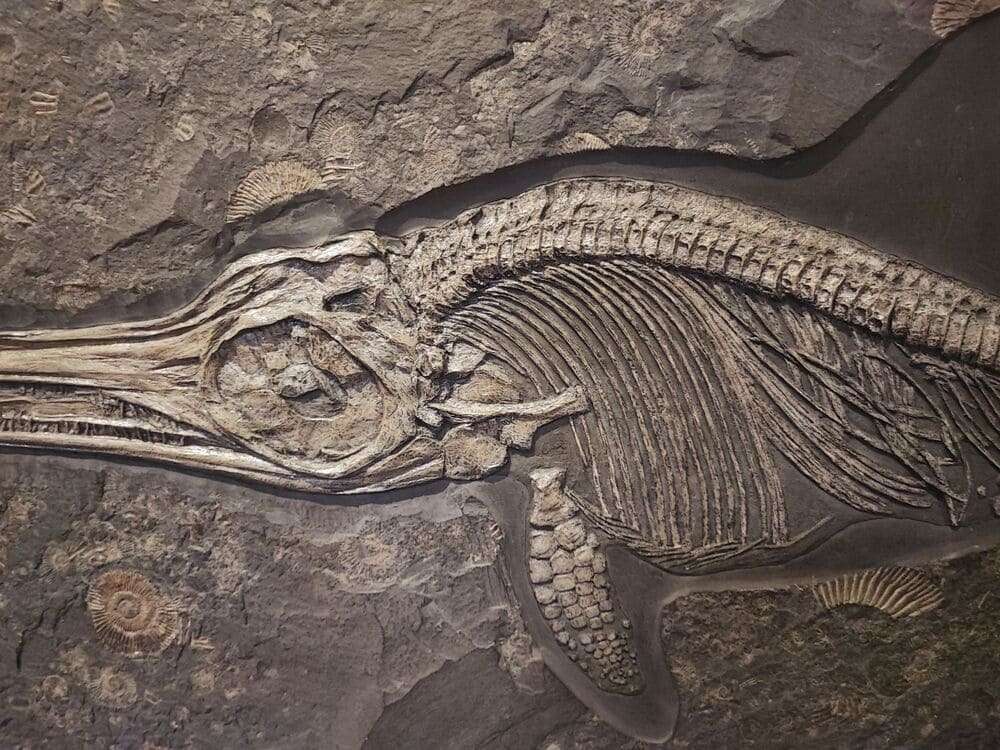
The remarkable preservation of bones, wood, and organic material inside cenotes is a biological and physical marvel caused by three key factors:
   THE SCIENCE OF CAVE PRESERVATION

     Anaerobic Water                           Zero Light & Minimal Currents
  ┌──────────────────────────┐              ┌──────────────────────────┐
  │ • Low oxygen levels      │              │ • Complete darkness      │
  │ • Inhibits bacterial decay│ ───────────► │ • Prevents algae growth  │
  │ • Mineral-rich halocline │              │ • Leaves silt undisturbed│
  └──────────────────────────┘              └──────────────────────────┘
- Anaerobic (Oxygen-Poor) Environment: Below the surface halocline layer—where fresh water meets saltwater—oxygen levels drop dramatically. Without oxygen, decay-causing bacteria cannot survive, slowing organic decomposition to a virtual standstill.
- Calcite Mineralization: Water dripping through the limestone ceiling coats immersed bones in thin layers of calcium carbonate (calcite), gradually petrifying and encasing them in protective stone sheaths.
- Absence of Sunlight and Wave Action: Deep inside cavern and cave zones, there is zero sunlight to support plant growth or algae, and the water remains completely still, preserving delicate bone structures without mechanical wear.
Responsible Diving: Best Practices for Preserving Cenote Heritage
Because these archaeological and paleontological treasures rest in extremely fragile environments, diving near them requires strict adherence to conservation protocols and diving etiquette.
RULES OF ENGAGEMENT FOR CENOSTE FOSSIL DIVING

  [1] NEVER TOUCH, MOVE, OR PICK UP ANY BONE OR ARTIFACT.
  [2] MAINTAIN PERFECT NEUTRAL BUOYANCY TO AVOID KICKING UP SILT.
  [3] KEEP A SAFE DISTANCE FROM CAVE WALLS AND SEDIMENT BEDS.
  [4] DO NOT SHINE HIGH-POWERED STROBES DIRECTLY ON DELICATE REMAINS.
  [5] ALWAYS FOLLOW A CERTIFIED CAVE OR CAVERN GUIDE.
- Strict “No Touch” Policy: Touching or moving an artifact destroys its scientific context, deprives researchers of vital data, and can instantly crumble delicate calcified bones.
- Flawless Buoyancy and Trim: A single careless fin kick can stir up fine sediment (silting), reducing visibility to zero and covering priceless fossils in a layer of mud.
- Protection by Law: In Mexico, all submerged cultural, historical, and paleontological remains are protected under federal law by the National Institute of Anthropology and History (INAH). Removing or altering any item is a serious criminal offense.
How to Experience Cenote Diving Responsibly
Exploring the submerged historical chambers of the Riviera Maya and Yucatán Peninsula is an unforgettable privilege. To ensure your safety and protect these irreplaceable natural and historic monuments, always choose dive operators committed to small group ratios, expert local knowledge, and strict environmental standards.
At Pasku Dive, we specialize in delivering safe, personalized, and environmentally conscious diving experiences across the top cenotes and marine environments. Whether you want to admire ancient geological formations, learn about subterranean history, or perfect your buoyancy skills in cavern environments, our dedicated guides are here to make every dive unique and respectful of the aquatic world. Visit our website and book your next cenote adventure today!