
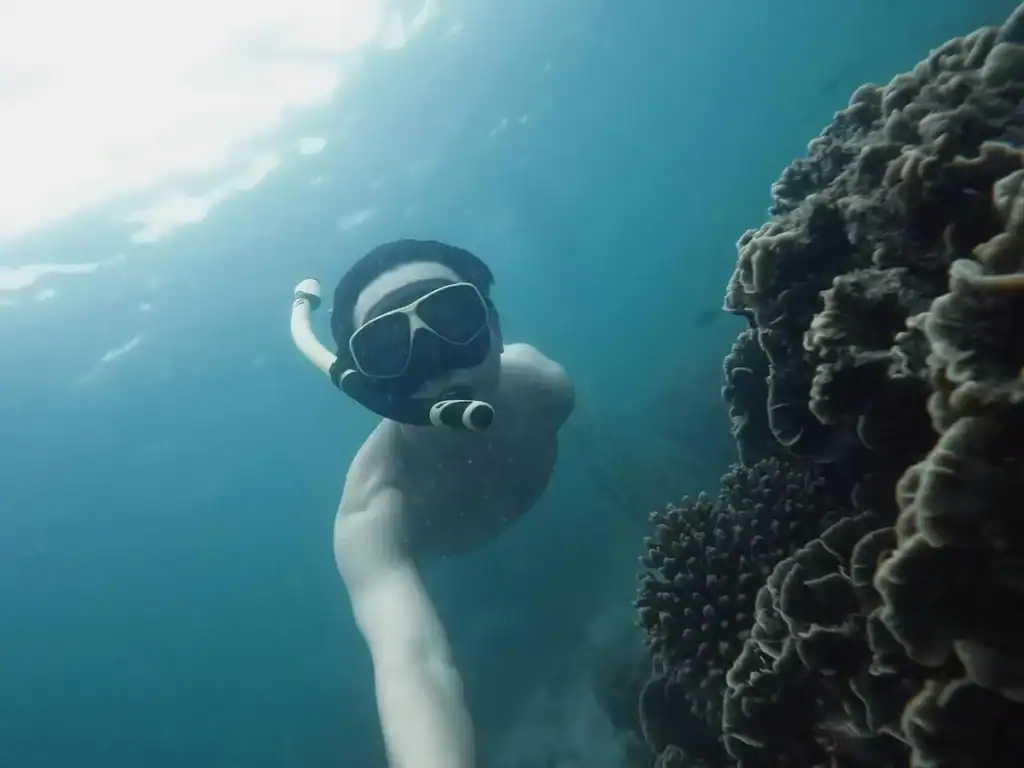
If you are planning a trip to the Riviera Maya, you likely have visions of idyllic turquoise waters and sacred limestone caves. However, to transform that experience from a simple swim into an epic exploration, you need the right tools. In this comprehensive guide, we will analyze in depth what snorkel gear is recommended for exploring cenotes, focusing on quality, comfort, and the specific technical requirements of Mexico’s unique freshwater systems.
Exploring a cenote is vastly different from snorkeling in the open ocean or a Mediterranean cove. Here, the water is fresh (which affects your buoyancy), the visibility is practically infinite, and the limestone structures require careful navigation. Choosing the right snorkel gear is the first step toward enjoying this Mayan underworld without distractions.
The importance of high-quality snorkel gear in cenotes
Many travelers make the mistake of thinking any cheap mask from a gift shop will do. This is a mistake. In a cenote, the water clarity is so extreme that any fogging on the lens or a water leak through stiff silicone will ruin the spectacle of light beams penetrating the darkness.
When we discuss snorkel gear, we are referring to a kit that should function as an extension of your body. In cenotes, where you often swim between ancient stalactites or beneath rock ceilings, having total confidence in your equipment is fundamental to maintaining the calm and silence that defines these sacred spaces.
Essential components: the right gear for the job
To break down exactly what snorkel gear is recommended, we must look at each piece individually, analyzing the technical features vital for this specific environment.
1. The mask: your window to the underworld
The mask is the most important element. A mask that fogs up or presses too hard against your face can turn a dream into a nightmare.
- Liquid Silicone: Look for masks made of surgical or liquid silicone. They are much softer and mold better to your face, preventing leaks.
- Tempered Glass: For safety, avoid plastic lenses. Tempered glass doesn’t scratch easily and is far more resistant to impacts.
- Low Volume: For cenotes, low-volume masks are highly recommended. They are easier to clear if water enters and offer a wider field of vision to appreciate the rock formations.
2. The snorkel: breathing with ease
While it may seem like a simple plastic tube, the design significantly affects your comfort.
- Purge Valve: This is almost a requirement. It allows you to clear any trapped water with a soft puff without having to remove the tube from your mouth.
- Dry Top: This feature is very useful for preventing water from entering the top of the tube if there are small ripples or if you decide to dive down briefly.
3. Fins: power and precision
In a cenote, you don’t need long-blade freediving fins, but you do need mobility and control.
- Short or Travel Fins: These are ideal. Space can be tight in cenote caverns, and long fins can accidentally strike delicate calcite formations (speleothems).
- Adjustable vs. Full Foot: If you will be walking across rocky terrain to reach the water, adjustable fins worn with neoprene boots are the better choice.
Why Pasku Dive is the benchmark for gear and exploration
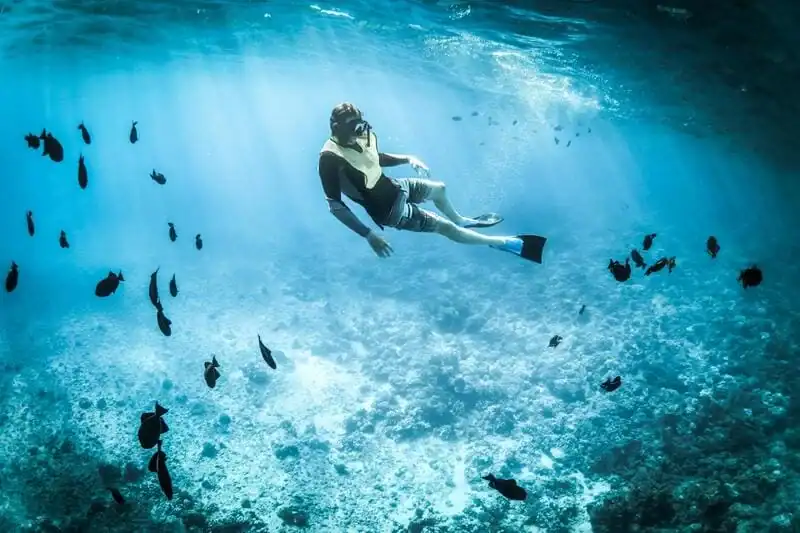
When deciding what snorkel gear is recommended by the experts who live and work in the region daily, the answer usually points to one name: Pasku Dive.
This professional outfit focuses on personalized experiences, understanding exactly what a traveler needs when they want more than just a mass-market tour. They don’t just take you to the best spots; the snorkel gear they provide and recommend is of professional grade.
The professional advantage
- Impeccable Maintenance: At Pasku Dive, they know that worn-out or poorly sanitized gear is unacceptable.
- Technical Advice: If you prefer to bring your own gear from home, they provide expert advice on which brands and models best suit the temperature and visibility of the Riviera Maya.
- Small Groups: By going with fewer people, your guide can help you adjust your mask or teach you how to fin efficiently without kicking up sediment—vital for maintaining that crystal-clear visibility.
Thermal protection and footwear: beyond the mask
When we think about snorkel gear, we sometimes forget the accessories that surround the mask and tube.
Neoprene boots: your best allies
Most cenote entries aren’t like a resort pool. You will often encounter wooden stairs, damp rocks, and jungle paths. A good pair of boots with rubber soles will prevent unnecessary slips. High-quality brands like Cressi or Mares offer excellent options that take up very little space in your luggage.
Wetsuits or rash guards
Cenote water is usually around 24-25°C (75-77°F). While it feels warm at first, the body begins to lose heat after 45 minutes of snorkeling.
- Shorty (Short Wetsuit): A 2mm or 3mm suit is perfect for staying warm and provides extra buoyancy.
- UV Rash Guards: If you prefer not to wear a wetsuit, a UV protection shirt is essential. Even in the shade of the trees, the Caribbean sun is powerful. Remember: sunscreen is banned in many cenotes to prevent water contamination, so physical barriers like rash guards are the best solution.
Recommended accessories for the adventure
To take your experience to the next level, consider these additions to your snorkel gear:
- Safety Buoys: Useful for large, open cenotes where there might be other swimmers or kayaks.
- Action Cameras (GoPro style): With a secure wrist strap or floaty. The light play in cenotes is magical, and you’ll want to capture it.
- Dry Bags: Fundamental for keeping your dry clothes and phone safe while you are in the water.
How to maintain your gear after the exploration
While cenote water is fresh, it contains minerals and sometimes mixes with saltwater (haloclines). To make your investment last for years, follow these tips:
- Rinse with Fresh Water: Even if the cenote water feels clean, always rinse your gear with tap water after your tour to remove organic sediment.
- Dry in the Shade: Never leave the silicone parts of your snorkel gear in direct sunlight. The Mexican sun can crack and degrade the material in a matter of days.
- Natural Anti-fog: While the “spit” method works, professional biodegradable anti-fog gels are more hygienic and effective for long snorkeling sessions.
Safety: the invisible component of your gear
No amount of snorkel gear replaces common sense. Cenotes can be labyrinthine.
- Never Snorkel Alone: Always have a buddy.
- Respect the Guidelines: Many cenotes have guide ropes; do not stray from them unless you are an expert or with a certified guide.
- Life Jackets: They are mandatory in many cenotes. Don’t see them as a hindrance, but as a tool that allows you to float effortlessly while observing the fish below.
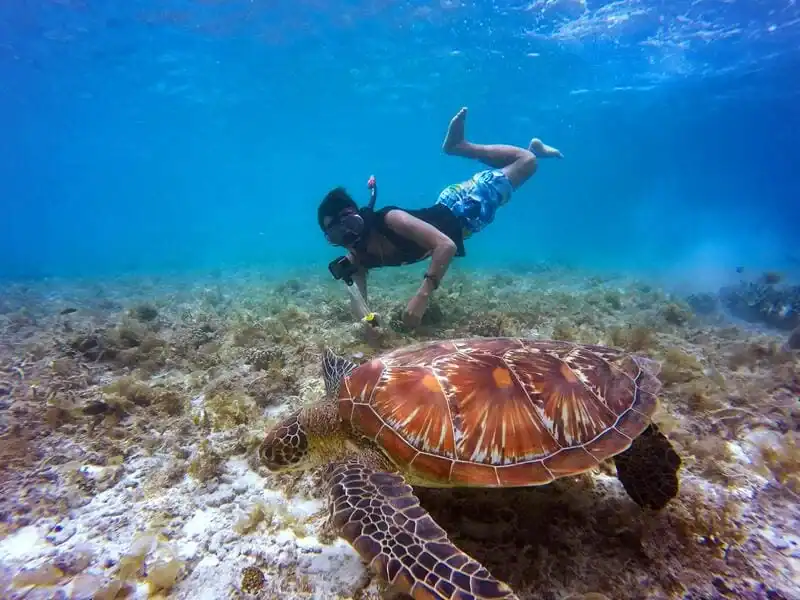
Prepare for a One-of-a-Kind experience
Exploring the heart of the earth is an opportunity you don’t get every day. Now that you know what snorkel gear is recommended by the experts, all that’s left is to take the plunge. The difference between seeing “some water and rocks” and discovering a submerged cathedral of light and life lies in the quality of your mask and the professionalism of those who accompany you.
Don’t skimp on your equipment or your choice of guide. Proper gear gives you the freedom to forget you are underwater and simply focus on the magic of the Yucatan.
Are you ready for the ultimate adventure under the jungle?
If you are looking for a top-tier snorkeling experience with professional gear and guides who know every secret corner of the Riviera Maya, look no further. Visit PaskuDive.com and book your exploration tour today. With Pasku Dive, you aren’t just booking a service; you are ensuring your cenote adventure is safe, authentic, and unforgettable. See you under the water!