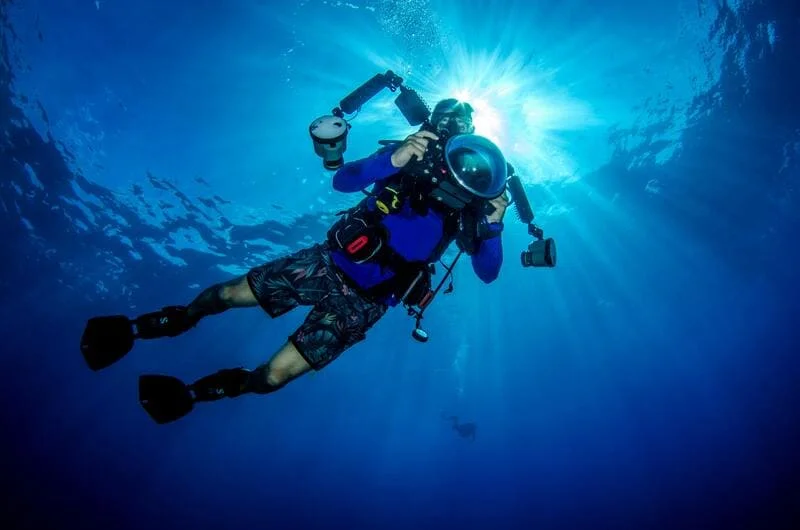
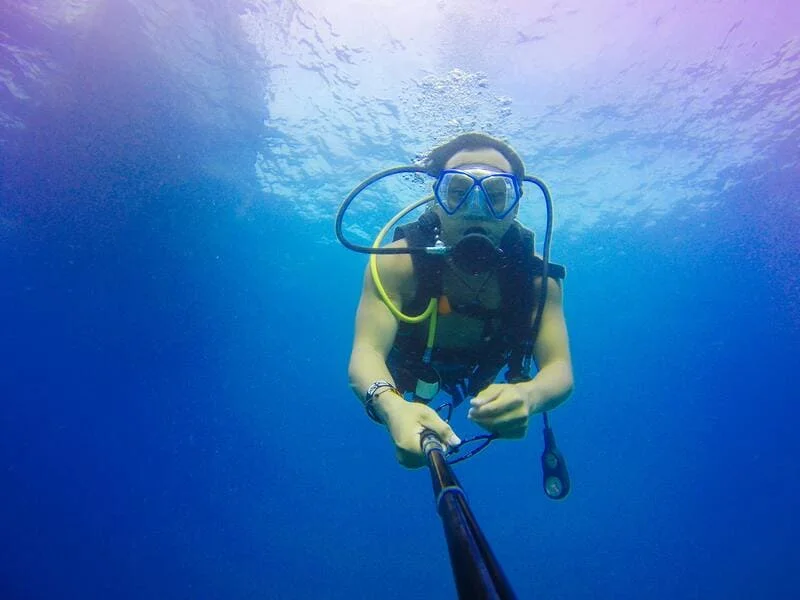
Submerging into the blue is an experience that often leaves you speechless, but we frequently find ourselves wanting to share that beauty with those back on land. This is where action cameras for diving come into play—the perfect gateway to the fascinating world of underwater photography, or uwater-photo. In the past, capturing images underwater was a privilege reserved for professionals with expensive and heavy equipment; today, thanks to modern technology, any diver can take home a crystal-clear memory of the most common fish you will see on your dives.
In this deep and detailed guide, we will explore everything you need to know to choose your gear, configure it correctly, and, above all, learn how to use it without compromising your safety or the marine environment. With advice from experts like Paskudive, you will discover that the best camera isn’t just the one with the most megapixels, but the one that best adapts to your level and the type of diving you do.
Why choose action cameras for diving?
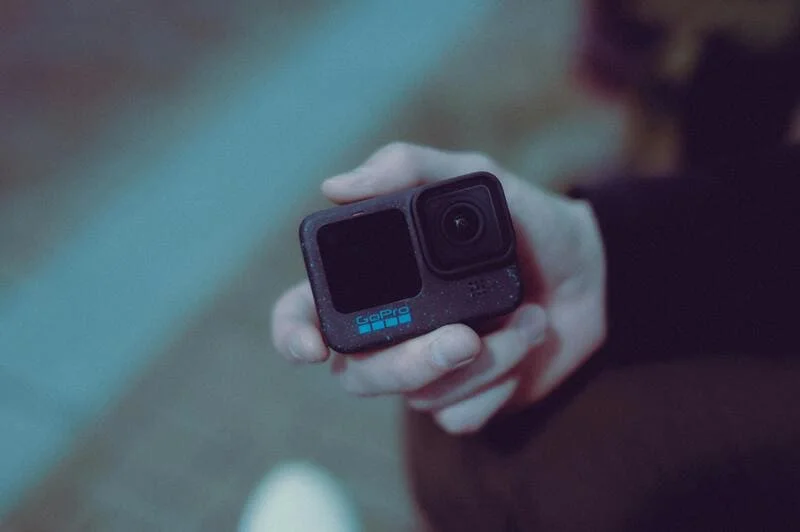
The main advantage of action cameras is their versatility and size. In recreational diving, where we already carry quite a bit of gear (BCD, regulators, weights), the last thing we want is a bulky device that hinders our buoyancy.
Action cameras for diving stand out for:
- Portability: They fit in the palm of your hand and can be mounted on articulated arms, helmets, or simply held with a proper handle.
- Durability: Although most are waterproof on their own to a certain depth, using additional protective housings allows you to take them down to 40 or 60 meters with total security.
- Ease of Use: They are designed so you only have to worry about framing and shooting, allowing you to focus on enjoying the marine life.
Key features of action cameras for diving
Not all action cameras are created equal. If you are looking for equipment for your next vacation or to explore rocky reefs, you must pay attention to certain fundamental technical aspects.
Resolution and frame rate (fps)
Today, 4K is the standard. However, beyond resolution, what matters in the water is smoothness. Recording at 60 FPS (frames per second) will allow you to apply slow-motion effects in editing, which helps smooth out jerky movements caused by swell or currents.
Image stabilization
This is perhaps the most important point. Underwater, we don’t have a firm footing. A good electronic stabilization system (like GoPro’s Hypersmooth or DJI’s RockSteady) is vital so your videos don’t look like they were filmed during an earthquake.
White balance and filters
As we descend, we lose red and orange colors. The best action cameras for diving allow you to adjust the white balance manually or feature specific “blue water” or “green water” modes. Even so, using external red filters is one of the first lessons you will learn in underwater photography.
Essential accessories for your underwater photography kit
Buying the camera is just the first step. To get professional results when photographing the most common fish you will see on your dives, you will need an ecosystem of accessories to make your life easier underwater.
1. The waterproof housing
Even if your camera is “waterproof to 10 meters,” never dive with it without a housing if you plan to go deeper. Water pressure during a scuba dive can damage rubber seals. Additionally, the housing protects your investment from accidental bumps against rocks or the boat.
2. Trays and grips
Holding the camera directly with your hand often leads to shaky footage. A tray with double handles gives you stability similar to a steering wheel, allowing for much smoother and more cinematic movements.
3. Red and magenta filters
- Red Filter: Used in blue waters (like the Mediterranean or the Caribbean) to recover the warm tones that the water absorbs.
- Magenta Filter: Ideal for greenish waters, typical of areas with a lot of plankton or certain temperate zones.
4. Artificial lighting (video lights)
From 10-12 meters deep, filters lose effectiveness. If you want to capture the true color of a moray eel or the brightness of the most common fish you will see on your dives, you will need powerful lights (minimum 2000 lumens) with a wide beam.
Optimal configuration for your action cameras for diving
Using the camera in automatic mode usually yields mediocre results underwater. Here is a recommended setup to get started:
- Resolution: 4K or 2.7K.
- FPS: 60 FPS for fast action or 30 FPS for calm scenes.
- Max ISO: Try not to exceed 800 or 1600. The sensor in these cameras is small, and excessive ISO generates a lot of “noise” or grain in the image.
- Sharpness: Medium or Low. It is better to add sharpness on your computer than to have an image artificially processed by the camera.
- Color: If you plan to edit later, use “Flat” profiles. If you want the video ready for social media, use the brand’s native color profile.
How to capture the most common fish you will see on your dives
Once your gear is ready, the challenge is animal behavior. Having the best action cameras for diving won’t help if you scare away all the wildlife.
Approach with respect
Fish detect vibrations and bubbles. If you swim directly toward a grouper, it will hide in its cave. Ideally, move slowly, maintaining perfect neutral buoyancy, and let them get used to your presence.
The rule of thirds and angle
Avoid filming from the top down. The best photos of the most common fish you will see on your dives are taken at eye level. This creates a much more natural and professional connection in the shot.
Identification and patience
To be a good underwater photographer, you first have to be a good naturalist. Learn to identify species like sea bream, damselfish, or barracuda. Knowing their habits will allow you to anticipate their movements.
Safety and ethics in underwater photography
This is a point we strongly emphasize at Paskudive. No photo or video is worth more than the integrity of the ecosystem.
- Buoyancy First: Do not start taking photos until you have mastered your buoyancy. If you have to lean on coral or seagrass to take a photo, do not take the photo.
- Do Not Harass Animals: Do not chase turtles or poke octopuses to make them move. Stress can be fatal for many species.
- Watch Your Air: It is very common to get “distracted” by the camera and forget to check your pressure gauge. Your safety and your buddy’s safety are always the absolute priority.
Basic editing: the final touch for your dive videos
Water acts like a giant blue filter. Even with physical filters, your footage often comes out looking washed out. Using simple editing software will allow you to:
- Color Correction: Adjust contrast and bring the red back to the corals or the most common fish you will see on your dives.
- Cropping: If you couldn’t get close enough, a slight digital crop can save the shot.
- Music and Transitions: Creating a short video (like Reels or TikTok) is the best way to show your passion to your friends.
Your story under the sea starts today
Action cameras for diving have democratized marine exploration. You no longer need to be a National Geographic explorer to document the beauty of the ocean. With a bit of technique, the right equipment, and deep respect for the environment, your underwater memories will come to life forever.
However, the best camera in the world is no substitute for good training. If you want to improve your technique underwater, learn to identify the most common fish you will see on your dives, or simply enjoy guided outings where safety and personal attention are the norm, we recommend the services of Paskudive. At our school, we will help ensure your only concern is framing that perfect shot while enjoying the freedom of the blue.
Are you ready to hit the record button? Don’t let your memories fade away. Visit Paskudive.com now, book your next dive with us, and start creating your own catalog of underwater wonders. See you underwater!