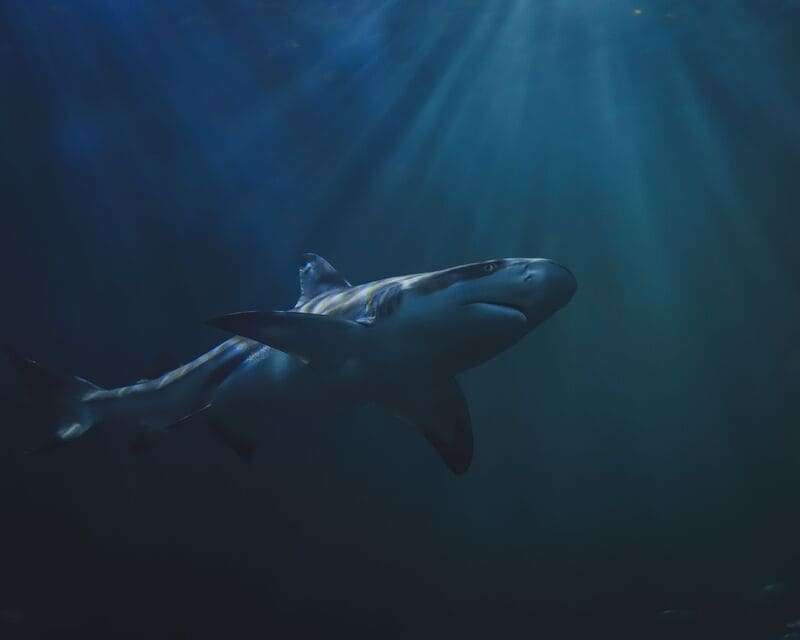
For certified scuba divers in Spain who dream of locking eyes with the ocean’s ultimate apex predators, planning an international expedition is an exhilarating endeavor. When comparing major bucket-list wildlife encounters, two distinct experiences constantly dominate traveler discussions: diving freely with bull sharks in the crystal-clear waters of the Mexican Caribbean versus traditional shark cage diving off the remote coasts of South Africa, Australia, or Guadalupe Island. Understanding the fundamental differences in ethics, adrenaline, equipment, and philosophy between these two encounters is essential before booking your flight.
In this comprehensive, in-depth guide, we will break down the mechanics, safety standards, and psychological realities of bull shark encounters compared to shark cage diving, helping you choose the adventure that best aligns with your diving philosophy.
Understanding the Core Philosophy: Freedom vs. Enclosure
To truly evaluate bull shark diving against shark cage diving, we must examine how humans interact with marine life in each scenario. The philosophical divide is stark: one approach places you directly in the open water as an equal observer in the animal’s natural habitat, while the other places a heavy barrier of galvanized steel between you and the predator.
- Open-Water Freedom (Bull Shark Diving): In destinations like Playa del Carmen, divers kneel on the sandy ocean floor in full scuba gear, calmly observing bull sharks (Carcharhinus leucas) as they glide past in open blue water. There are no bars, no cages, and no artificial boundaries—just pure, respectful coexistence governed by strict professional dive protocols.
- Controlled Enclosure (Shark Cage Diving): Famous for great white shark encounters, shark cage diving involves floating at the surface or submerged at shallow depths inside a heavy metal cage attached to a surface vessel. While it offers guaranteed safety from physical contact, it fundamentally alters the dynamic of wild animal observation.
Adrenaline and Interaction: What It Feels Like Inside vs. Outside the Cage
The psychological impact of each encounter differs dramatically. For adventurous divers seeking a genuine test of nerve and emotional connection with nature, the comparison reveals surprising insights.
The Thrill of Free-Swimming Bull Sharks
Diving with bull sharks requires profound emotional control and situational awareness.
- The Environment: Unlike surface-level cage operations that often battle choppy ocean swells, bull shark diving typically takes place at depths of 20 to 25 meters on stable sandy bottoms.
- The Behavior: Bull sharks are curious, intelligent, and highly adaptable animals. When guided by experienced professionals using respectful protocols, divers learn to read body language, maintain solid trim, and experience a breathtaking sense of mutual respect rather than fear.
The Reality of Shark Cage Diving
- Surface Confinement: Most shark cage diving experiences happen near the surface, where snorkelers or non-certified divers breathe from a surface-supplied air hose (hookah) while peering through narrow metal bars into chum-clouded water.
- Sensory Limitations: Being locked inside a cage can induce claustrophobia for some participants, and the restricted field of vision means you often watch sharks rush past a small window rather than experiencing their full aquatic grace in open space.
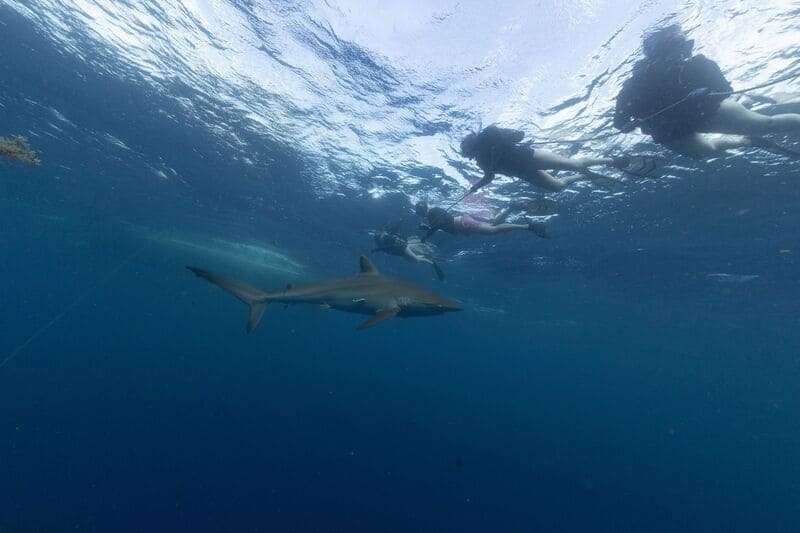
Safety Protocols and Regulations in Shark Cage Diving and Free-Diving
Safety is the absolute cornerstone of any professional wildlife tourism operation. Both industries—whether managing free-swimming pelagics or organizing shark cage diving—rely on rigorous adherence to local laws, marine biology guidelines, and equipment standards.
- Professional Guidance: In Mexico’s Riviera Maya, bull shark dives are strictly regulated. Only highly experienced instructors and divemasters are permitted to lead groups, maintaining strict formations and hands-off policies.
- Engineering Standards for Shark Cage Diving: Industrial cages must be constructed from marine-grade stainless steel or heavily coated aluminum, engineered to withstand immense impacts from multi-ton predators without injuring the animals or participants. Surface support vessels must also comply with strict maritime safety codes.
Environmental Ethics: Chumming, Natural Behavior, and Conservation
A critical topic of debate among modern marine conservationists and eco-conscious divers from Spain and across Europe is the ethics of wildlife baiting. Both bull shark encounters and shark cage diving often utilize feeding or scent trails (chumming) to attract sharks.
- Conservation Impact: Proponents argue that responsible, regulated tourism transforms sharks from terrifying movie monsters into valuable living economic assets, inspiring local governments to protect entire marine ecosystems rather than allowing overfishing or finning.
- Natural vs. Conditioned Behavior: Critics point out that artificial feeding can alter animal migration patterns. However, modern operators are increasingly shifting toward strictly managed eco-tourism practices that prioritize shark welfare, habitat protection, and scientific research contributions.
Practical Comparison: Logistics, Certification, and Accessibility
When planning your vacation budget and itinerary, several practical factors separate bull shark encounters from traditional shark cage diving:
| Criteria | Bull Shark Diving (e.g., Riviera Maya) | Shark Cage Diving (e.g., South Africa / Mexico) |
| Diving Certification | Mandatory (Advanced Open Water recommended) | Often open to non-divers and snorkelers |
| Depth & Equipment | Full scuba gear, 20–25 meters deep | Surface-supplied air (hookah) or surface snorkeling |
| Travel Logistics | Easily combined with cenote diving and reef tours | Often remote locations requiring specialized boat charters |
| Physical Demands | Requires good buoyancy control and calm nerves | Requires comfort in cold, choppy surface water inside a cage |
Which Predator Encounter Should You Choose?
Deciding between bull shark encounters and shark cage diving ultimately comes down to your certification level, your adventurous spirit, and what you hope to feel beneath the waves. If you are a certified scuba diver looking for an immersive, free-swimming experience that tests your discipline and connects you directly with the marine ecosystem, diving with bull sharks in Mexico is peerless. If you are traveling with non-divers or specifically wish to lock eyes with great white sharks from the protected confines of a floating surface barrier, shark cage diving remains a classic option.
Reflexión final: El verdadero respeto hacia los gigantes del océano no nace del miedo ni de las barreras de acero, sino de la comprensión y la admiración por criaturas que llevan millones de años perfeccionando su lugar en el mar.
If you are inspired to plan your next extraordinary shark diving expedition with professional local experts who champion safety, small groups, and unforgettable underwater experiences, we strongly recommend exploring the specialized packages and expert guidance available at paskudive.com.