

Planning a scuba diving holiday across the Atlantic often brings up logical doubts, especially if your chosen dates coincide with the rainy and hurricane months in the Caribbean. For any diving enthusiast coming from Spain—accustomed to the temperate seasonality of the Mediterranean or the Atlantic clarity of the Canary Islands—the big question when summer or autumn approaches is always the same: rainy season diving Mexico worth it? Does it truly pay off to cross the ocean during the months of rainfall and tropical storms?
In this comprehensive article, we will break down what diving in Mexico during its wet season really entails, which meteorological factors you need to keep in mind, and why—contrary to popular belief—it can be one of the best decisions of your diving life.
Understanding Tropical Climate: Is Rainy Season Diving Mexico Worth It?
To evaluate whether rainy season diving Mexico worth it for your next holiday, the first step is understanding how the weather works in the Yucatán Peninsula and the state of Quintana Roo. Unlike the rainy autumn we experience in mainland Spain—frequently associated with prolonged storms and all-day gray skies—the Mexican tropical climate operates in cycles of high intensity and short duration.
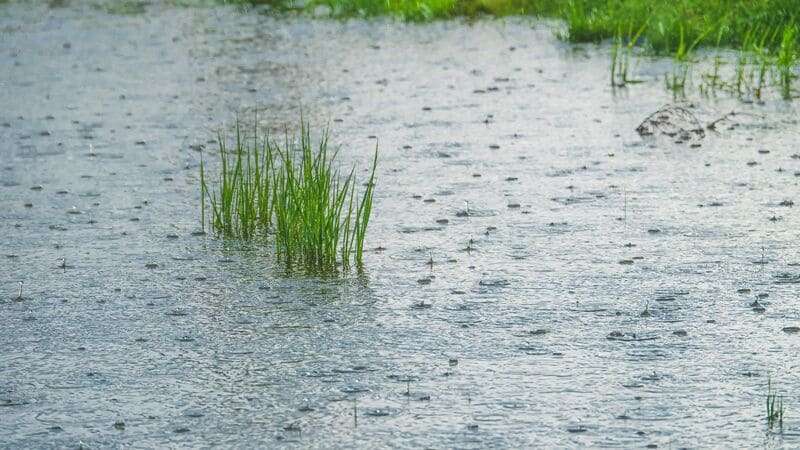
- Precipitation Patterns: The usual pattern during the summer and early autumn months is waking up to radiant sunshine, enjoying a perfect morning of diving, and witnessing an intense downpour mid-afternoon that refreshes the atmosphere and leaves the sky clear within hours.
- Water Temperature: Far from cooling down, the Caribbean Sea and the cenotes maintain enviable temperatures hovering around 28°C to 29°C (82°F–84°F), allowing for comfortable dives even with thin wetsuits (3mm).
The Mayan Cenotes: The Winning Card When You Wonder If Rainy Season Diving Mexico Worth It
One of the great highlights of traveling to Mexico during this period is that cenotes are completely immune to surface weather conditions. If you are debating whether rainy season diving Mexico worth it due to coastal rain forecasts, you should know that underground, the experience remains entirely intact and often improves.
Why Cenotes Shine During the Rainy Season
The underground river systems of the Riviera Maya operate independently of surface marine storms:
- Unalterable Visibility: Because it is fresh water filtered through limestone bedrock for decades, visibility inside the caverns remains crystal-clear (exceeding 100 meters) whether it rains or thunders outside.
- Fewer Crowds: During the low tourist season months (coordinating with much of the rainy period), the most famous cenotes like Dos Ojos, The Pit, or Angelita receive far fewer visitors. This translates into much more intimate, relaxed dives with small groups, something underwater photographers deeply appreciate.
Unique Marine Life: The Strong Argument for Deciding If Rainy Season Diving Mexico Worth It
Moving out into open water, the argument that answers affirmatively to whether rainy season diving Mexico worth it revolves around seasonal marine biology. Far from diminishing, the biodiversity of the Riviera Maya and the Mexican Caribbean reaches fascinating heights during the summer and wet season.
The Majestic Whale Shark in Holbox and Isla Mujeres
Between June and September, the largest aggregation of whale sharks (Rhincodon typus) on the planet concentrates off the coasts of Quintana Roo.
- Responsible Snorkeling and Diving: Although the primary activity regulated by local authorities is strict snorkeling to protect these gentle giants, navigating Mexican waters during this season guarantees massive sightings.
- Mantas and Tunas: The high concentration of plankton driven by currents and runoff also attracts giant manta rays and schools of pelagic fish.
Logistical and Financial Advantages of Traveling in the Wet Season
Beyond pure underwater experiences, analyzing whether rainy season diving Mexico worth it requires putting economic and logistical factors on the table. Traveling outside peak season (December to April) offers tangible benefits for travelers from Spain:
- Considerable Savings: Transatlantic flights from Madrid or Barcelona, as well as accommodations in hotels and resorts in Playa del Carmen or Tulum, experience notable price drops.
- Flexibility in Dive Shops: Local schools and operators are not stretched to their limits, allowing you to plan custom dives, request private guides, or easily adapt specialty courses (such as cave or advanced diving).
Key Precautions: Hurricanes and Diving Safety
Naturally, giving a resounding yes to whether rainy season diving Mexico worth it requires prudent nuances. The Atlantic hurricane season officially runs from June to November, with peak activity between August and October.
- Weather Monitoring: Professional dive centers in the area have very advanced early warning systems. If open-water sea conditions become dangerous due to a passing tropical storm, operators responsibly cancel reef trips and typically relocate divers to sheltered cenotes.
- Travel and Dive Insurance: It is essential to have valid international medical and diving insurance (such as those managed by specialized European entities) that covers potential eventualities or flight delays resulting from weather alerts.
Should You Plan Your Diving Trip to Mexico This Year?
Ultimately, evaluating whether rainy season diving Mexico worth it boils down to what you value most on your holiday. If you seek guaranteed clear skies at all costs while paying high rates and sharing dive sites with hundreds of tourists, you might prefer the dry season.
However, if you are a flexible diver, want to optimize your budget, wish to explore cenotes in total tranquility, and want to witness the greatest spectacles of pelagic fauna in the Caribbean, the rainy season is not only worth it—it is arguably diving’s best-kept secret in Mexico.
Final Reflection: The ocean has its own rhythms and nature does not understand rigid vacation calendars. Embracing its dynamism is the key to living the most authentic underwater experiences.
If this guide has convinced you to take the plunge and you want to organize an unforgettable experience with professionals who know every corner of the Mexican coast and its marine depths inside out, we recommend checking out the specialized services offered on the website paskudive.com, where you will find expert advice and custom packages for your next great immersion.